
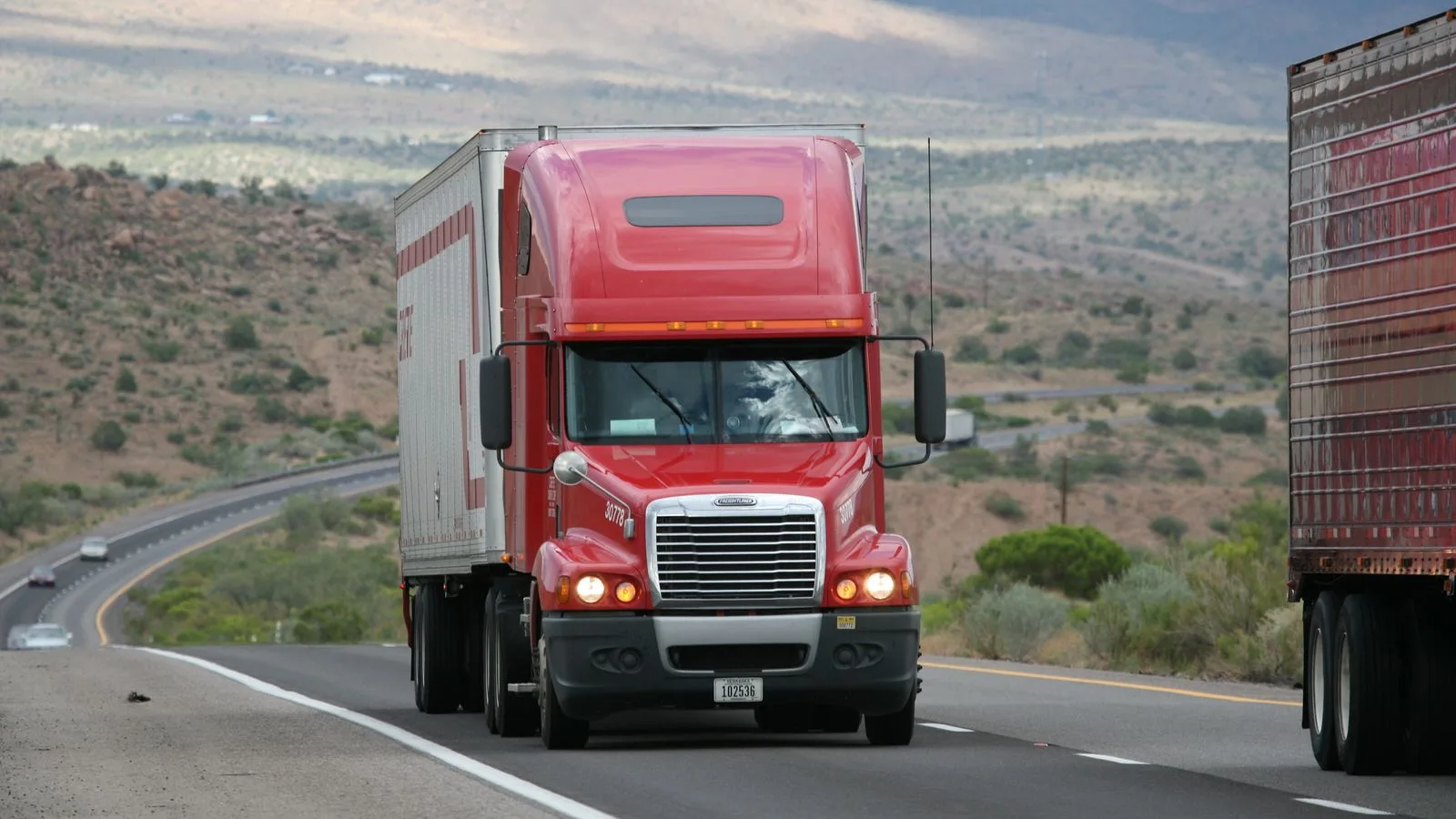
Ozona · Truck Accident
Ozona Truck Accident Lawyer
A commercial truck crash claim in Crockett County involves a tractor-trailer or heavy service vehicle regulated under the Federal Motor Carrier Safety Regulations, 49 C.F.R. Parts 350-399, operating on freight corridors like I-10 or oilfield routes like US-190 and the county-road network. Texas allows direct claims against the motor carrier, not just the driver, for negligent hiring, training, and supervision, and the two-year limitations period under § 16.003 runs from the date of injury. In practice, the shorter deadline that matters is the evidence window: ELD hours-of-service logs and engine control module telemetry cycle off carrier servers within months, so a preservation letter has to go out within days of intake before the 112th District Court ever sees the case.
Why Ozona cases are different
Almost every serious case Cap City opens out of Crockett County involves a commercial truck: a long-haul tractor-trailer on I-10 between San Antonio and the Permian Basin, or an oilfield service truck running between active leases on US-190 and the county roads.
Why an I-10 truck case is built on federal records, not roadside witnesses
The commercial trucks crossing Crockett County — interstate freight haulers on I-10 and oilfield service trucks and water haulers on US-190 — are almost all FMCSA-regulated under 49 C.F.R. Parts 350-399. That brings hours-of-service limits, electronic logging device requirements, driver qualification files, drug-and-alcohol testing under Part 382, and pre-trip inspection records into play. In a thinly populated county, those documents usually carry more evidentiary weight than anyone standing on the side of the road, because there often is no one there. The ELD pull, the engine control module data, and the dispatch and lease-routing records frequently tell the story of speed, fatigue, and route timing that no witness can. The first job after a Crockett County truck crash is getting a spoliation letter to the carrier within days, before that telemetry rolls off its servers.
Commercial limits, carrier liability, and the early lowball
Interstate motor carriers and oilfield operators carry far higher liability coverage than ordinary drivers, often a primary commercial policy layered with excess coverage, which is why a serious truck case can support a recovery a private auto policy never could. Texas also permits direct claims against the carrier itself: negligent hiring, training, supervision, retention, and entrustment. Those claims survive even when the carrier concedes it is responsible for the driver, and they matter most when the qualification file shows a pattern the carrier ignored. Out here, the adjuster often calls within the first ten days with an offer to close. An early number that arrives before the ELD and ECM data have even been preserved is rarely a measure of the case's real value; it is a measure of how little the carrier expects you to develop.





Frequently asked
Ozona truck accident questions
- Largely yes. Oilfield service trucks and water haulers running between leases are generally FMCSA-regulated commercial vehicles, so the same hours-of-service, ELD, and driver-qualification rules apply. The wrinkle is lease-routing and dispatch records, which can show how long the driver had been running and whether the trip timing pressured an unsafe pace. We send a spoliation letter covering those records within days.
- The electronic data. ELD hours-of-service logs and engine control module telemetry can roll off a carrier's servers in months, not years, and in-cab camera footage is often overwritten on a cycle. That is why the practical deadline on a rural truck case is not the two-year limitations period; it is the spoliation letter, which should go out within the first two weeks of intake.
- Be cautious. An offer arriving in the first ten days, before the federal records are preserved and the full medical course is known, usually reflects the carrier's hope to close cheaply rather than the case's value. Out of Crockett County, the medical chronology often spans two or three facilities plus an air-ambulance bill, none of which can be valued accurately that early.
- In Texas you can sue both the driver and the carrier. The carrier faces respondeat superior liability for the driver's actions and can also face direct claims for negligent hiring, training, supervision, retention, and entrustment. Those direct claims survive even when the carrier admits it is responsible for the driver, and they matter most when the qualification file shows prior events the company chose to ignore.
- Under 49 C.F.R. § 376.12, the carrier whose operating authority the truck is running under remains legally responsible for the driver's conduct regardless of an 'independent contractor' label. The carrier cannot avoid liability by pointing to a lease agreement if the truck was operating under its DOT number at the time of the crash. We identify and name every entity in the liability chain at intake.
- Texas gives you two years from the date of injury under Tex. Civ. Prac. & Rem. Code § 16.003. However, the evidence clock runs much faster: ELD logs, ECM data, and dispatch records may be gone in weeks or months. The practical first deadline on any truck case is the preservation letter going out within the first two weeks after intake, well before any decision about the 112th District Court or an alternative venue.
Where we work from
Downtown Austin. Ozona clients welcome.
Our office is in downtown Austin; we represent Ozona-area clients statewide and travel to Ozona for case-specific needs (scene visits, medical-records consultations, court appearances). Home and hospital visits when injuries make travel difficult.
Talk to a Ozona truck accident lawyer.
Free case review, no obligation. We'll tell you straight whether we can help.