
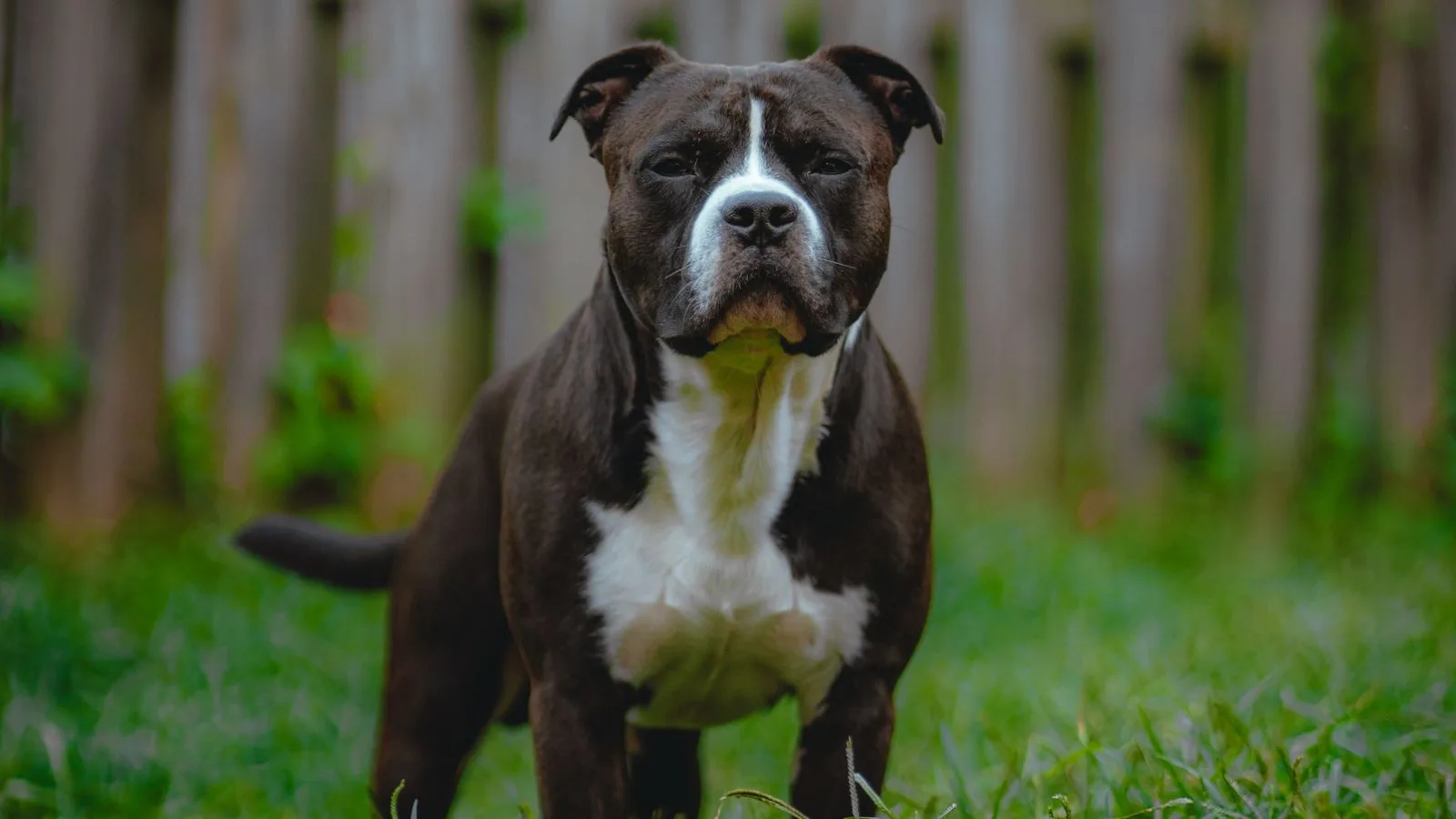
Killeen · Dog Bite
Killeen Dog Bite Lawyer
A dog-bite or animal attack claim in Killeen is a Texas civil case based either on common-law strict liability — where the owner knew or had reason to know the dog had dangerous propensities under Marshall v. Ranne — or on ordinary negligence, such as a leash-ordinance violation. Texas does not have a single strict-liability statute for dog bites, so both theories are typically pursued together. The case is filed in the Bell County district courts in Belton, and the two-year statute under Tex. Civ. Prac. & Rem. Code § 16.003 applies, though that period is tolled for minor victims until age 18.
Why Killeen cases are different
Dog-bite claims in Killeen are built on Texas owner-liability and negligence law rather than a strict-liability statute, and in a transient military community the recovery often turns on locating the homeowner's or renter's insurance that covers the loss.
Texas owner liability: the one-bite rule and negligence
Texas does not have a single dog-bite statute imposing automatic strict liability. Instead, an injured person typically proceeds on one of two theories. Under the common-law 'one bite' rule, an owner is liable if they knew or had reason to know the dog had dangerous propensities: a prior bite, aggressive lunging, or warnings the dog was vicious. Separately, an owner can be liable in ordinary negligence for failing to control or restrain the animal, such as letting a dog run loose in violation of a leash requirement. In a community with constant turnover around the post, establishing what the owner knew can mean tracking down neighbors and prior tenants who saw the dog's earlier behavior. We develop both theories in parallel, because the negligence path can succeed even where the owner claims the dog had never shown aggression before.
Severe and facial injuries and homeowner coverage
Dog attacks frequently cause deep puncture wounds, crush injuries, nerve damage, and disfiguring facial lacerations — especially to children, who are bitten at face height — often requiring emergency treatment at AdventHealth Central Texas or Seton Medical Center Harker Heights and later reconstructive or scar-revision surgery. Those future-care needs and the permanent nature of scarring drive the value of the claim. The practical question is coverage: most dog-bite recoveries come from the owner's homeowner or renter's liability policy, not the owner personally. In a market with high rental turnover, identifying the right policy and confirming it does not exclude the specific breed or prior incidents is central work. Documenting the full course of treatment, the scarring, and any psychological impact of an attack supports a recovery that reflects the lasting harm rather than just the initial ER bill.
More in Killeen
Other ways we help Killeen injury victims.





Frequently asked
Killeen dog bite questions
- Yes. You generally proceed under the common-law 'one bite' rule, where the owner is liable if they knew the dog had dangerous tendencies, or under ordinary negligence, where the owner failed to restrain or control the animal: for example, letting it run loose against a leash rule. The negligence path can work even if the dog had no prior bite history.
- Usually the dog owner's homeowner or renter's liability insurance, not the owner out of pocket. Identifying that policy is a priority, and in Killeen's high-turnover rental market that can take some work. We also check whether the policy excludes the specific breed or prior incidents, since those exclusions affect how the claim is pursued.
- Children are often bitten at face height, and facial wounds tend to leave permanent scarring that may need reconstructive or scar-revision surgery as the child grows. That future care and the permanence of disfigurement weigh heavily in the value of the claim. A minor's claim also has its own procedural protections, and settlements for children generally require court approval.
- Potentially yes. A landlord or complex can be liable if management had actual knowledge of the tenant dog's dangerous propensities and had the legal ability to require removal or impose conditions, but failed to act. In a Killeen apartment complex with high resident turnover, prior complaints logged in the management records are the key evidence. Commercial general liability coverage at the complex is a separate policy layer from the dog owner's renter's insurance.
- Prior aggressive behavior short of a bite — lunging at people, breaking loose to charge, snapping — can establish dangerous propensities under the Marshall v. Ranne standard. Neighbors, prior residents, and incident reports that show the owner was warned about the dog's behavior are the evidentiary building blocks. You do not need a prior bite; you need to show the owner had reason to know the dog was dangerous.
- Two years from the date of the attack under Tex. Civ. Prac. & Rem. Code § 16.003, with one important exception: for a minor victim, the two-year period is tolled until the child turns 18. That tolling provision can matter for severe pediatric bites where scar-revision surgery may not be complete until the child is older. Contact counsel early regardless; witnesses relocate quickly in Killeen's transient market.
Where we work from
Downtown Austin. Killeen clients welcome.
Our office is in downtown Austin; we represent Killeen-area clients statewide and travel to Killeen for case-specific needs (scene visits, medical-records consultations, court appearances). Home and hospital visits when injuries make travel difficult.
Talk to a Killeen dog bite lawyer.
Free case review, no obligation. We'll tell you straight whether we can help.