
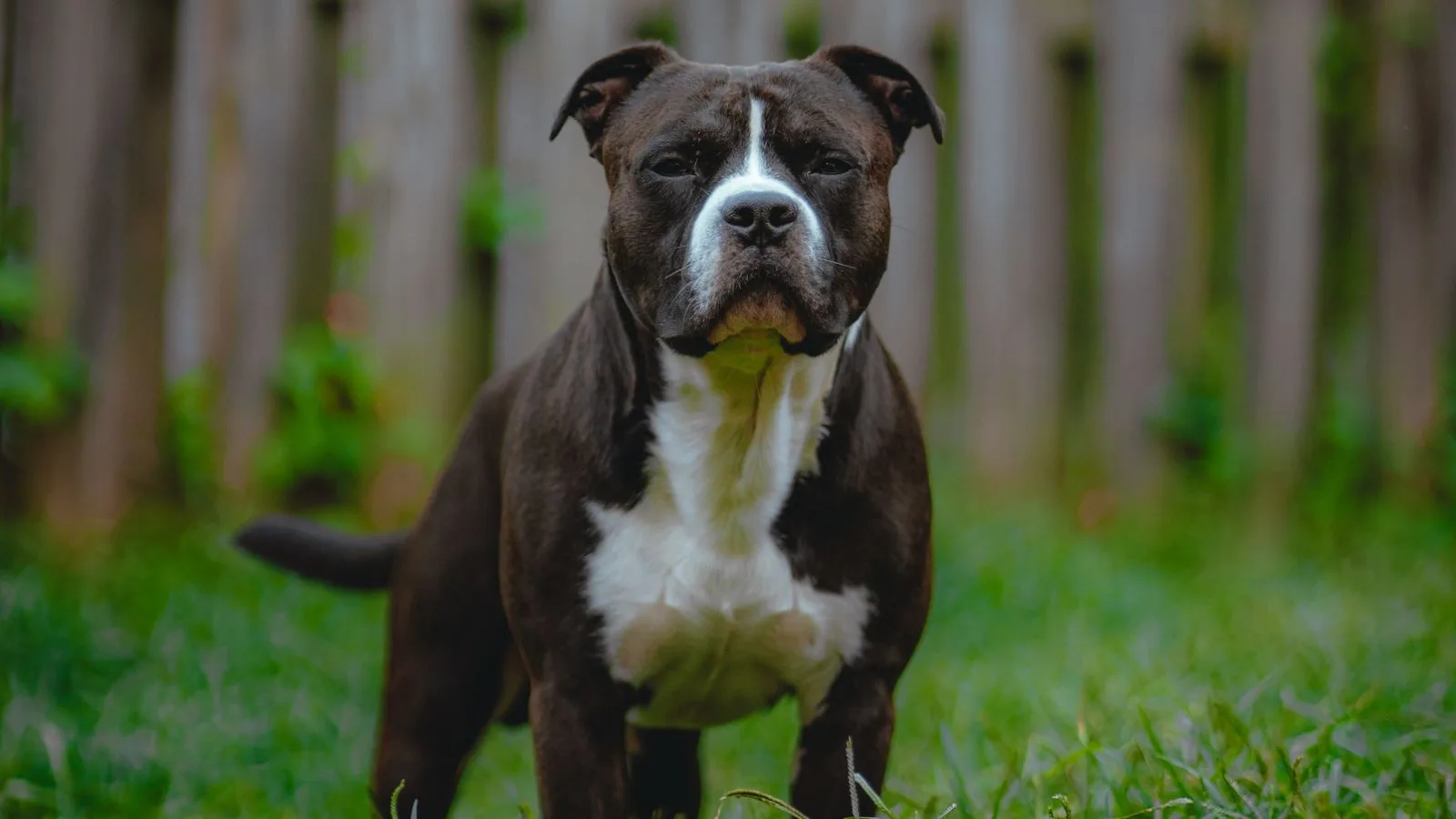
Katy · Dog Bite
Katy Dog Bite Lawyer
A dog bite or animal attack claim in Katy is a personal injury case arising when a dog or other animal attacks a person at a home, yard, apartment courtyard, park, or business in the area, governed by Texas common law that allows recovery when an owner knew or should have known the animal had dangerous propensities (the rule derived from Marshall v. Ranne) and by ordinary negligence when the owner failed to control the animal. Katy's dense master-planned communities — Cinco Ranch, Cross Creek Ranch, and Firethorne — concentrate dogs and pedestrians on shared sidewalks and community amenities, making failure-to-contain and leash-violation scenarios common. The two-year filing deadline under Tex. Civ. Prac. & Rem. Code § 16.003 applies, though for child victims the statute is tolled until the child turns 18. Recovery typically runs through the owner's homeowner or renter insurance policy, and the claim is pursued in whichever of the three Katy-area counties the attack occurred.
Why Katy cases are different
Katy's master-planned neighborhoods like Cinco Ranch, Cross Creek Ranch, and Firethorne mean dog encounters happen on sidewalks, in driveways, and at community amenities, and a serious bite raises questions of owner liability and which homeowner policy responds.
Owner liability and the Texas approach to dog bites
Texas does not impose automatic strict liability for every dog bite. Recovery generally runs on one of two theories. The first is the long-standing rule that an owner can be liable if they knew or should have known the dog had dangerous tendencies, often described as the one-bite rule, where prior aggression, growling, or a previous attempt to bite establishes knowledge. The second is ordinary negligence, where the owner failed to use reasonable care to control or restrain the dog, such as letting it roam off-leash on a Katy community sidewalk in violation of local leash rules. In the residential setting that dominates Katy, both theories often run together. We gather the dog's history, prior complaints, animal-control records, and witness accounts from neighbors to establish what the owner knew and what reasonable control would have looked like.
Severe and facial injuries, children, and homeowner coverage
Dog attacks produce a disproportionate share of severe and facial injuries, and children are the most frequent victims because their height puts them at the dog's level. Bites near the face can mean disfigurement, scarring, nerve damage, and a long arc of reconstructive and follow-up care, and Texas Children's Hospital West Campus is the local pediatric destination for the most serious of those injuries. The financial recovery in a Katy bite case usually comes through the dog owner's homeowner or renter insurance, which commonly covers liability for injuries the household's animal causes, subject to policy terms and any breed exclusions. We identify the responding policy early and document the full injury picture, including future surgical and psychological care for a child, rather than settling on the immediate medical bills before the long-term needs are known.




Frequently asked
Katy dog bite questions
- Possibly, through negligence. Even without a prior bite, an owner who failed to use reasonable care, such as letting a dog off-leash on a neighborhood sidewalk against local rules, can be liable for the resulting injuries. The one-bite rule about prior dangerous tendencies is one path, but ordinary negligence is another. We look at how the dog was controlled and what local leash requirements applied.
- Usually the claim is paid by the owner's homeowner or renter insurance, not out of their pocket. Those policies commonly cover liability for injuries the household's animal causes, subject to terms and any breed exclusions. We identify the responding policy and direct the claim there, so the practical dispute is with the insurer rather than a confrontation with a neighbor.
- Everything, and over time. Facial bites can mean scarring, nerve damage, and a need for reconstructive surgery as a child grows, plus psychological care. The most serious pediatric injuries in this area are seen at Texas Children's Hospital West Campus. We build the record to include future surgical and emotional-care needs, because the long-term picture, not the first ER visit, drives a fair recovery.
- Potentially, if the complex had actual knowledge the dog was dangerous and had the legal ability to remove or evict the tenant but failed to act. Texas case law (Tellez v. Saban) establishes that a landlord who knows of a tenant's dangerous animal and does nothing can face liability. HOA incident reports, prior resident complaints, and management communications are the key documents for establishing that knowledge.
- The owner is still liable under the same one-bite or negligence theories regardless of whether the attack happened on private property or a community walking path. If the trail or park is maintained by a governmental entity, a Tort Claims Act notice deadline applies that is much shorter than the two-year statute. We identify who owns the land where the attack occurred at intake to make sure the right notice is filed.
- Two years from the date of the attack under Tex. Civ. Prac. & Rem. Code § 16.003, except that the deadline is tolled for child victims until they turn 18. For attacks on public property maintained by a governmental entity — a city park, a county trail — a much shorter pre-suit notice window under the Texas Tort Claims Act may also apply. We identify all applicable deadlines at the first consultation.
Where we work from
Downtown Austin. Katy clients welcome.
Our office is in downtown Austin; we represent Katy-area clients statewide and travel to Katy for case-specific needs (scene visits, medical-records consultations, court appearances). Home and hospital visits when injuries make travel difficult.
Talk to a Katy dog bite lawyer.
Free case review, no obligation. We'll tell you straight whether we can help.