
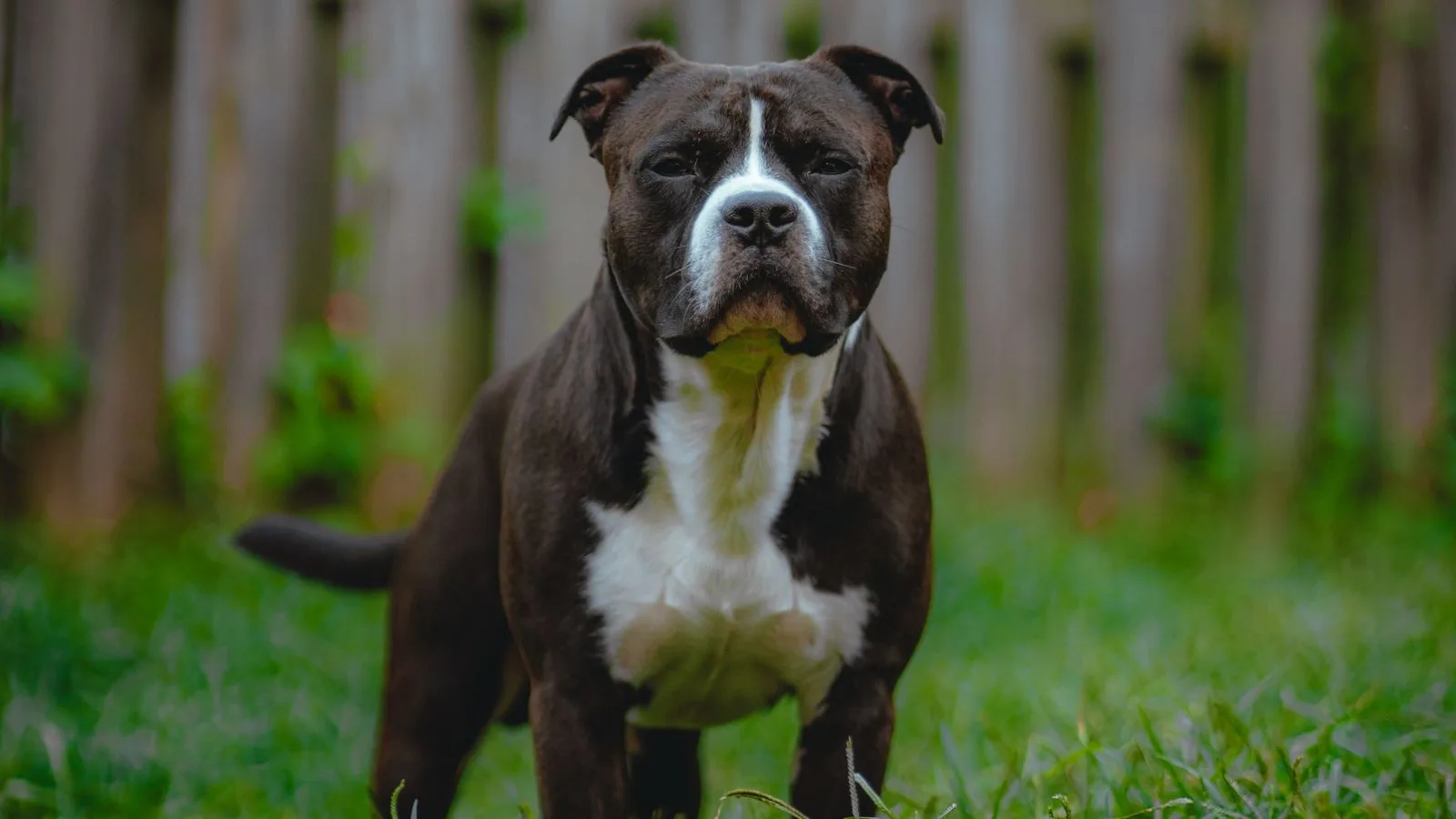
Grapevine · Dog Bite
Grapevine Dog Bite Lawyer
A dog bite or animal attack claim in Grapevine is grounded in Texas common law, which holds an owner liable when they knew or had reason to know their dog had dangerous propensities, regardless of whether a prior bite occurred, and an owner can also be liable under negligence for failing to leash or confine the animal in violation of local ordinances around Grapevine parks or Lake Grapevine trails. The claim can proceed even without a documented prior incident if the dog displayed aggressive behavior the owner should have recognized. Tarrant County district court in Fort Worth handles most Grapevine dog-bite filings, subject to the two-year limitations period under Tex. Civ. Prac. & Rem. Code § 16.003, though that period is tolled for injured child victims until they turn 18.
Why Grapevine cases are different
Dog attacks happen across Grapevine's neighborhoods, the Lake Grapevine recreation areas, and the trails and parks where leashed and unleashed dogs mix with crowds. Texas does not apply a pure strict-liability rule, so proving an owner's knowledge or negligence is the heart of these cases.
How Texas treats dog-owner liability
Texas follows a knowledge-based standard often called the 'one-bite' rule: an owner is liable when they knew or should have known the dog had dangerous propensities — a prior bite, aggressive lunging, or a history that put them on notice — and failed to control the animal. Even without that knowledge, an owner can be liable under ordinary negligence for failing to restrain or secure the dog, including violating a local leash requirement at a Grapevine park, on a Lake Grapevine trail, or in a neighborhood. Recreation areas around the lake draw dogs and crowds together, and an off-leash dog in that setting can ground a negligence claim independent of the dog's prior history. Establishing liability means gathering the dog's history, prior complaints or animal-control records, witness accounts, and the circumstances of the attack: whether a fence was open, a leash was absent, or a warning was ignored.
Severe injuries and where the recovery comes from
Dog attacks cause disproportionately severe harm: deep puncture wounds, crushing injuries, nerve damage, and facial trauma, with children especially vulnerable to bites to the face and head that require reconstructive surgery and leave permanent scarring. Grapevine-area victims are commonly treated at Baylor Scott & White Medical Center – Grapevine, with severe cases routed to JPS in Fort Worth or Baylor University Medical Center in Dallas, and facial reconstruction often involves specialist follow-up well beyond the initial visit. On the financial side, the recovery typically comes from the dog owner's homeowner's or renter's liability coverage, which generally extends to dog-bite claims, so identifying the applicable policy is an early priority. We document the full injury picture including future scar-revision and reconstructive needs, because a child's facial injury carries long-term costs that an initial ER record never captures.
More in Grapevine
Other ways we help Grapevine injury victims.




Frequently asked
Grapevine dog bite questions
- Possibly. Texas uses a knowledge-based standard, but even without a prior bite, an owner can be liable under ordinary negligence for failing to restrain the dog, for example, letting it run off-leash at a Grapevine park or Lake Grapevine trail in violation of a leash rule. The lack of a prior incident does not by itself end the claim.
- Most commonly the dog owner's homeowner's or renter's insurance, which typically includes liability coverage that extends to dog-bite claims. If the owner rents or the attack occurred elsewhere, other policies may apply. Identifying the responsible policy early is a priority, since severe bites, especially facial injuries to children, generate substantial medical costs over time.
- Facial bites to children frequently require reconstructive surgery and leave permanent scarring, with scar-revision procedures continuing for years. The claim should account for that future care, not just the initial treatment at Baylor Scott & White Grapevine or a trauma center. Documenting the long-term reconstructive and emotional impact is central to valuing a child's case fairly.
- Yes. An owner's liability under Texas law follows the dog, not the location. An attack on a public trail near Lake Grapevine is treated the same as one in a yard or apartment complex. If the owner violated a local leash requirement, that violation can support a negligence per se theory, making the liability case more direct.
- The tenant-owner is primarily liable, but the landlord or apartment complex may also be liable if it had actual knowledge of the dog's dangerous propensities and the legal ability to remove the animal or require confinement but failed to act. This typically requires showing prior complaints to management. Both the tenant's renter's policy and the complex's general liability coverage are potential recovery sources.
- Two years from the date of the attack under Tex. Civ. Prac. & Rem. Code § 16.003. For child victims, that period is tolled until the child turns 18, which provides more time, but acting promptly preserves animal-control records, witness accounts, and the dog's documented history before those records are lost. Early action on behalf of an injured child is still the better practice.
Where we work from
Downtown Austin. Grapevine clients welcome.
Our office is in downtown Austin; we represent Grapevine-area clients statewide and travel to Grapevine for case-specific needs (scene visits, medical-records consultations, court appearances). Home and hospital visits when injuries make travel difficult.
Talk to a Grapevine dog bite lawyer.
Free case review, no obligation. We'll tell you straight whether we can help.