

Fort Stockton · Catastrophic Injury
Fort Stockton Catastrophic Injury Lawyer
A catastrophic injury or wrongful-death claim arising in Fort Stockton involves a harm so severe — traumatic brain injury, spinal cord damage, or death — that ordinary damages categories cannot capture the full loss, and the Texas Wrongful Death Act under Tex. Civ. Prac. & Rem. Code § 71.004 gives surviving spouses, children, and parents independent claims while the survival statute under § 71.021 preserves the decedent's pre-death claims for the estate. Unlike a routine car or slip-and-fall case, these cases in Pecos County almost always involve a commercial carrier on I-10 or US-385, federal motor carrier records that expire within weeks, and a medical chronology that begins at Pecos County Memorial Hospital and continues through air-ambulance transport to University Medical Center in Lubbock or a San Antonio facility. Exemplary damages for gross negligence are available under Tex. Civ. Prac. & Rem. Code § 41.003 but require clear-and-convincing evidence of extreme risk and conscious indifference. The two-year statute under § 16.003 governs, with tolling provisions for minor beneficiaries.
Why Fort Stockton cases are different
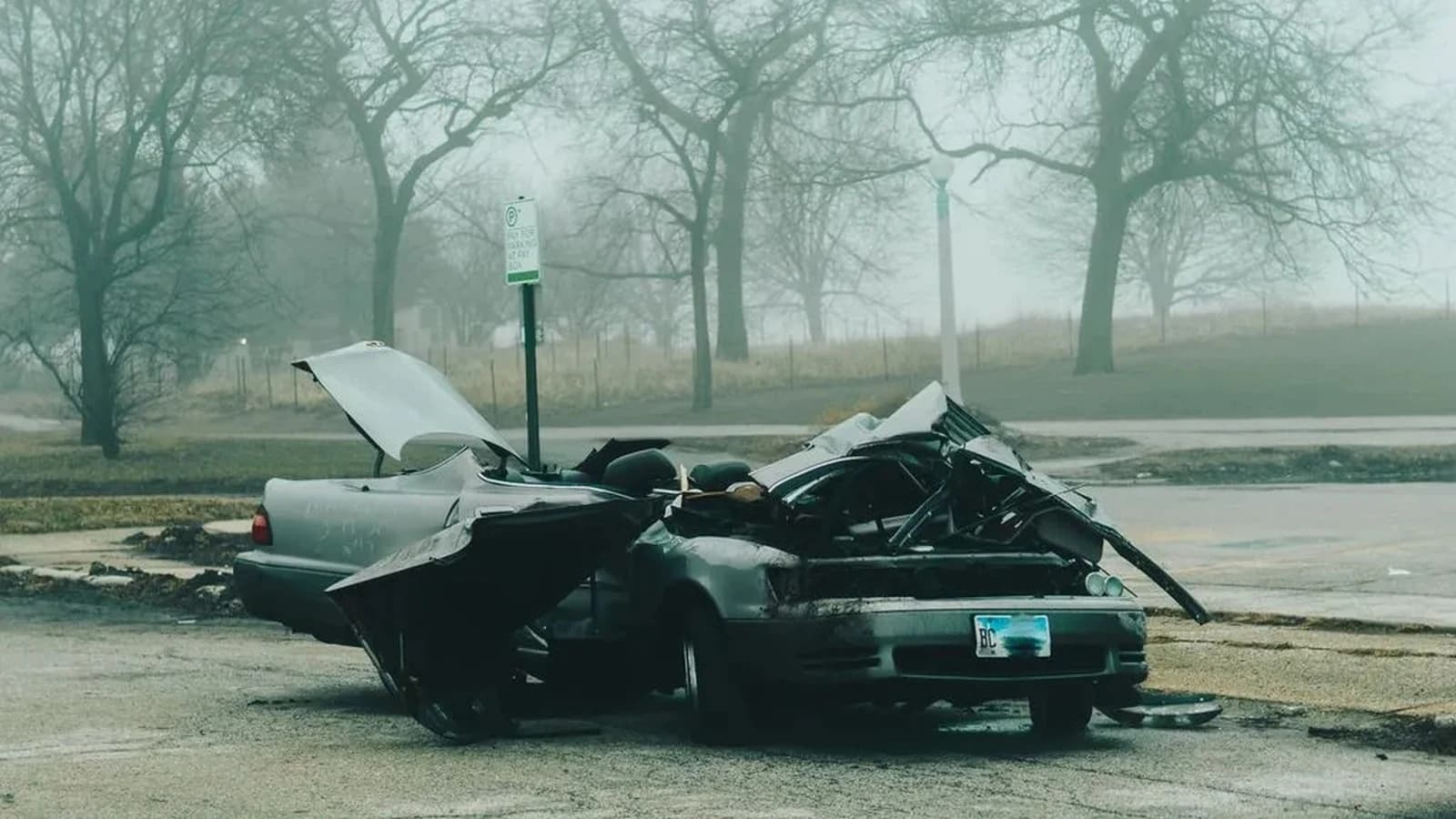
When a Pecos County crash produces a spinal-cord injury, a traumatic brain injury, severe burns, or a death, Fort Stockton's distances and trauma routing make the stakes immediate, and these high-value cases are almost always fought against commercial carriers on federal records in district court.
Building the future-medical and life-care picture
A catastrophic injury, paralysis, a serious brain injury, major burns, or amputation, is defined by its future, not just the initial hospitalization. The damages in these cases run to lifetime medical care, attendant and home modification needs, lost earning capacity, and the human cost of a permanently altered life. In Fort Stockton, the medical chronology itself starts far from definitive care: Pecos County Memorial Hospital stabilizes the patient, then an air ambulance carries them to University Medical Center in Lubbock for Level I trauma care, to Midland or Odessa, or south to San Antonio. That multi-facility record, plus the substantial air-ambulance billing, forms the foundation. We layer on life-care planning and treating-physician causation and future-care opinions so the demand reflects the full projected cost rather than only what has been billed to date.
High-stakes posture against commercial carriers
Because the catastrophic cases here overwhelmingly involve I-10 and US-385 commercial trucks, the defendant is typically a motor carrier with a primary commercial policy and layers of excess coverage, and the early settlement overtures tend to arrive within a week of the crash. The federal evidence set, hours-of-service logs under Part 395, the driver qualification file, post-crash drug and alcohol testing, and ECM data, is preserved through a spoliation letter within days, before retention cycles erase it. Texas also permits direct negligence claims against the carrier for hiring, training, supervision, and entrustment, which matter most when gross negligence supports exemplary damages. A wrongful-death claim carries the same two-year deadline under Section 16.003, and survival and beneficiary issues require early, careful handling so the right parties bring the right claims.
More in Fort Stockton
Other ways we help Fort Stockton injury victims.




Frequently asked
Fort Stockton catastrophic injury questions
- Because the largest costs are future, not past. Paralysis, brain injury, severe burns, and amputation require lifetime care, equipment, attendant help, and home modifications. A life-care plan, supported by treating-physician causation and future-care opinions, quantifies those projected costs so the demand reflects the real lifetime burden rather than only the bills already incurred by the time of settlement.
- A Texas wrongful-death claim generally must be filed within two years under Civil Practice & Remedies Code Section 16.003. Just as important, the federal evidence preservation window is far shorter, weeks, because the carrier's ELD and ECM data cycle out under normal retention schedules. We send spoliation letters within days while we sort out the survival and beneficiary claims.
- Often, yes. Motor carriers typically carry a large primary commercial policy plus layers of excess coverage. Texas also allows direct claims against the carrier for negligent hiring, training, supervision, and entrustment, and where gross negligence is supported, exemplary damages may be available. Which coverage layers respond depends on the federal records and the carrier's history, which we develop early.
- Under the Texas Wrongful Death Act, the right to recover belongs to the surviving spouse, children, and parents of the deceased. Siblings, unmarried partners, and other relatives do not have statutory wrongful-death standing. The estate brings a separate survival action for the decedent's own pre-death losses under Section 71.021. Sorting out who brings which claim and under what policy is work we do in the first weeks of the file.
- The federal motor carrier records replace witness testimony on thinly populated stretches of Pecos County's road network. The tractor's ECM data captures speed, braking, and steering inputs; ELD logs show hours on duty; and the carrier's qualification file and crash history document the pattern behind the event. A spoliation letter must go out within days, and scene documentation, including measurements and photographs, is conducted as quickly as possible given the distances involved.
- They can be sought where the evidence meets the standard: clear-and-convincing proof of gross negligence, meaning conduct that posed an extreme degree of risk and that the defendant was consciously indifferent to. Hours-of-service violations, falsified ELD logs, or a qualification file showing a history of preventable crashes that the carrier ignored are the fact patterns that support an exemplary-damages claim under Tex. Civ. Prac. & Rem. Code § 41.003. The cap structure under Section 41.008 limits exemplary damages but does not eliminate them.
Where we work from
Downtown Austin. Fort Stockton clients welcome.
Our office is in downtown Austin; we represent Fort Stockton-area clients statewide and travel to Fort Stockton for case-specific needs (scene visits, medical-records consultations, court appearances). Home and hospital visits when injuries make travel difficult.
Talk to a Fort Stockton catastrophic injury lawyer.
Free case review, no obligation. We'll tell you straight whether we can help.