
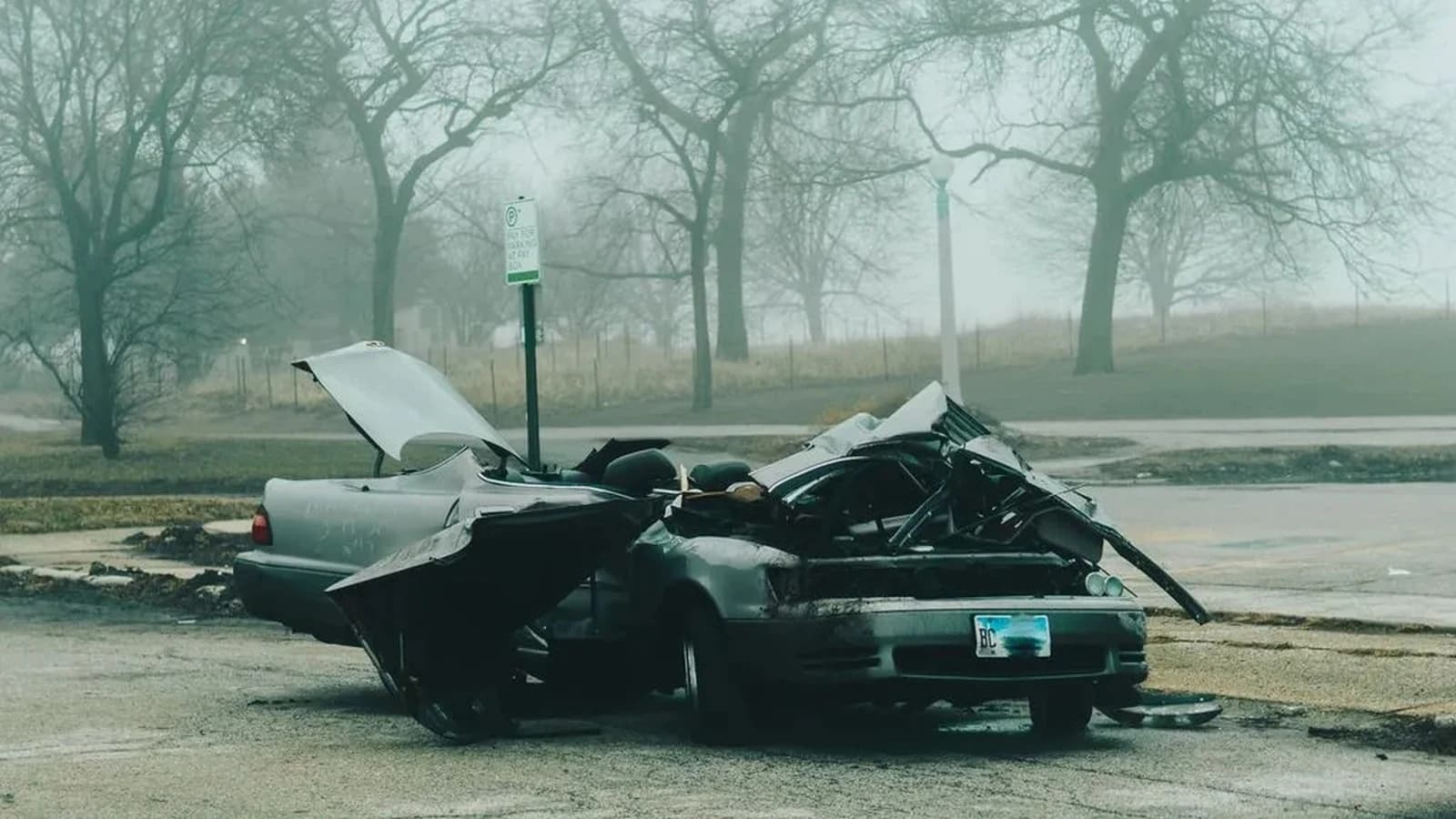
Corpus Christi · Car Accident
Corpus Christi Car Accident Lawyer
A car accident claim in Corpus Christi is a personal injury case arising from a collision between passenger vehicles, governed by Texas modified comparative fault rules: you can recover as long as you are 50 percent or less at fault, with your award reduced by your share. Most Corpus files trace to I-37 between the US-181 interchange and the Calallen area, to the SPID interchanges at Staples, Airline, and Everhart, or to the JFK Causeway, and serious crashes result in transport to CHRISTUS Spohn Memorial, the Level II trauma center. Nueces County civil district courts, located at the courthouse on North Shoreline, are the venue for suits that exceed the JP court ceiling. Texas's two-year statute of limitations under Tex. Civ. Prac. & Rem. Code § 16.003 applies to all claims.
Why Corpus Christi cases are different
Most Corpus Christi crash files we screen trace to three corridors: I-37 running northwest toward San Antonio, SH-358 (South Padre Island Drive, or SPID) cutting east-west across the south side, and the JFK Causeway out to Padre Island. Cap City builds those Nueces County claims from Austin.
Where Corpus crashes happen and why corridor matters
The collision profile in Corpus Christi changes street by street. I-37 between the downtown US-181 interchange and the Calallen area near the Nueces River produces high-speed rear-ends and lane-change wrecks as freight traffic stacks up. SPID's interchanges at Staples, Airline, and Everhart are the highest-volume points and generate most of the moderate-acuity ER admissions we see. The Harbor Bridge and the JFK Causeway add a third pattern: high-wind sideswipes and weekend leisure traffic compressing at the bridge approach. We map each claim to its corridor early because a 45-mph rear-end approaching the Calallen stretch on I-37 reads nothing like a low-speed clip in SPID stop-and-go. The corridor also dictates evidence work, since causeway crashes lose TxDOT camera footage and nearby business surveillance to fast overwrite windows.
Fault under Chapter 33 and your own UM/UIM coverage
Texas applies modified comparative fault under Chapter 33: your recovery drops by your share of responsibility, and at 51 percent or more you recover nothing. Adjusters lean hard on that math, especially in the merge and rear-end disputes common on SPID and I-37, arguing the lead driver stopped short or changed lanes carelessly. We counter with the physical record, the damage geometry, and TxDOT traffic-camera footage of the I-37 segment when it still exists, preserved before the overwrite window closes. When the at-fault driver carries no insurance or too little, your own uninsured/underinsured motorist coverage becomes the recovery source. Texas treats UM/UIM as a contract claim against your own carrier with its own notice and proof rules, so we read your declarations page at intake to confirm which layers are actually available before negotiations begin.
More in Corpus Christi
Other ways we help Corpus Christi injury victims.





Frequently asked
Corpus Christi car accident questions
- Usually not before you speak with counsel. In Corpus crashes the adjuster often calls within forty-eight hours offering quick release of your vehicle plus a modest injury number, tied to a recorded statement. Anything you say can be used to push your Chapter 33 fault share up. Get your injuries documented first; the statement can wait, and frequently it never needs to happen.
- Possibly. Texas uses modified comparative fault, so you can recover as long as you are 50 percent or less responsible, with your award reduced by your percentage. At 51 percent you recover nothing. That is why insurers fight over a few points in contested SPID and I-37 merge cases, and why preserving camera footage and physical evidence early matters so much.
- Then your own uninsured/underinsured motorist coverage is usually the path forward, if you carried it. UM/UIM is a contract claim against your own insurer with its own notice and proof requirements. We review your declarations page at intake to confirm available limits and make sure the claim stays inside the policy's deadlines.
- Two years from the date of the crash under Tex. Civ. Prac. & Rem. Code § 16.003. That clock applies whether the case is filed in Nueces County district court or elsewhere in Texas. The practical deadline is much earlier, because TxDOT camera footage and nearby business surveillance on corridors like I-37 and SPID overwrite quickly and need to be preserved within days of the collision.
- If the crash occurred in Nueces County and the claim exceeds the JP court ceiling, it is typically filed in one of the Nueces County civil district courts at the courthouse on North Shoreline. The docket assignment is random among the civil courts. If the other driver was employed by an out-of-state company, there may be removal exposure to the U.S. District Court for the Southern District of Texas, Corpus Christi Division.
- Not necessarily, but timing matters. CHRISTUS Spohn Memorial and Spohn Shoreline discharge templates tend to anchor low, capturing contusions and strains while disc injuries and post-concussive symptoms surface at the week-two follow-up. Getting that follow-up quickly creates the medical record that ties the full injury to the crash. Gaps in care let insurers argue the later condition was unrelated.
Where we work from
Downtown Austin. Corpus Christi clients welcome.
Our office is in downtown Austin; we represent Corpus Christi-area clients statewide and travel to Corpus Christi for case-specific needs (scene visits, medical-records consultations, court appearances). Home and hospital visits when injuries make travel difficult.
Talk to a Corpus Christi car accident lawyer.
Free case review, no obligation. We'll tell you straight whether we can help.