
Converse · Slip & Fall
Converse Slip & Fall Lawyer
A slip-and-fall or premises-liability claim in Converse is a Texas injury case against the owner or occupier of a commercial property — a strip center on FM-78, a fast-food location, a gas station along the I-10 frontage — who failed to keep the premises reasonably safe for the people they invited in. Texas law requires the injured person to show the owner created the hazard, had actual knowledge of it, or that the hazard existed long enough that a reasonable inspection would have found it. That notice element is the heart of almost every dispute, and the evidence that resolves it, store surveillance and internal sweep logs, overwrites within days. Cases go to Bexar County district court, and the two-year limitations period under § 16.003 applies.
Why Converse cases are different
The decade of new retail strip centers and fast-food development along FM-78 brought Converse a wave of commercial properties, and the premises-liability falls that come with them. A fall in a Converse store or parking lot is a Bexar County case governed by what the owner knew and when.
Premises liability and the property owner's duty
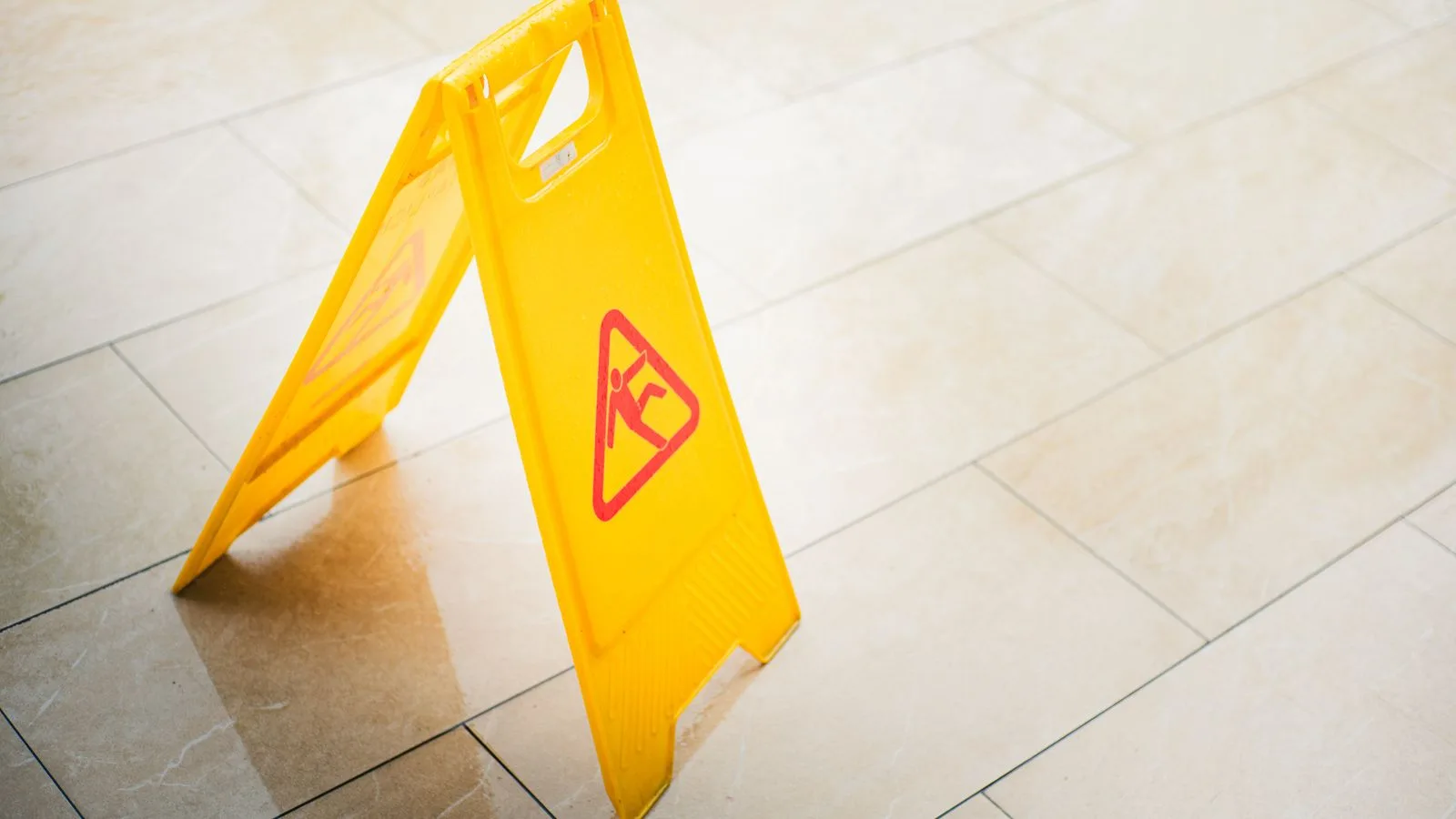
In Texas a business that invites the public onto its property owes its customers a duty to keep the premises reasonably safe and to warn of hazards the owner knew about or should have discovered through reasonable inspection. For the FM-78 strip centers, fast-food locations, and the gas stations and auto-parts stores along the I-10 frontage, that covers wet floors, spilled product, broken pavement in the parking lot, poor lighting, and unmarked changes in level. The legal pivot is notice: a Converse store is liable for a spill only if it created the hazard, actually knew about it, or the condition existed long enough that a reasonable employee should have found and addressed it. Proving how long a hazard was present is the central battleground, and it is exactly where store surveillance footage decides the case: footage that, like the FM-78 commercial systems, overwrites in a matter of days.
Bexar County venue and moving fast on evidence
A Converse premises case is filed in Bexar County district court at the Justice Center on Dolorosa Street in downtown San Antonio, under the same two-year limitations period in Section 16.003 that governs every Texas injury claim. But the working deadline that matters most is far shorter than two years: the surveillance window. The commercial properties along FM-78 and the I-10 frontage are surveillance-equipped, and that footage is what shows whether a spill sat for two minutes or twenty, the difference between no notice and clear notice. Because those systems commonly overwrite within one to two weeks, we send a preservation letter immediately on intake demanding the video, the incident report, and any internal sweep or inspection logs that document when the area was last checked. We also document the scene and identify witnesses before the store's account hardens into its own version of events.
More in Converse
Other ways we help Converse injury victims.





Frequently asked
Converse slip & fall questions
- No. Texas premises law requires showing the business created the hazard, knew about it, or that it existed long enough that a reasonable employee should have found and fixed it. That notice element is the heart of most slip-and-fall disputes. Store surveillance and internal sweep logs are what establish how long the hazard was present, which is why preserving that evidence quickly is the first priority.
- Very fast. The retail and restaurant properties along FM-78 and the I-10 frontage are surveillance-equipped, but their footage commonly overwrites within one to two weeks. We send a preservation letter on intake demanding the video, the incident report, and the inspection logs. Once the footage is gone, the single best proof of how long the hazard existed is gone with it.
- It is filed in Bexar County district court at the Justice Center in downtown San Antonio, and the limitations period is two years from the fall under Section 16.003. The two-year statute is the legal deadline, but the practical deadline is the surveillance overwrite window of a week or two, so the real urgency is preserving evidence, not filing suit.
- Parking lots are part of the premises, and the same notice analysis applies. The owner or occupier owes a duty to maintain the lot in reasonably safe condition, and broken pavement, potholes, or unmarked curbs are classic notice-based claims. Exterior surveillance from the commercial property usually covers the lot, and we preserve it the same way we preserve interior footage, before it overwrites.
- Texas has significantly narrowed the open-and-obvious defense. Even a visible hazard can support a claim if the owner's negligence created an unreasonable risk that the visitor would fail to avoid it. Under the reasoning in Austin v. Kroger, an invitee's awareness of a general category of danger does not automatically relieve the owner of the duty to address a specific hazard. We analyze the specific conditions at the time of the fall against that framework.
- Yes. Claims against the City of Converse or Bexar County are governed by the Texas Tort Claims Act, which requires written notice within six months of the incident. Many Texas city charters shorten the notice window further. Missing that deadline bars the claim regardless of its merits, so we screen for governmental ownership of the property at the first intake call.
Where we work from
Downtown Austin. Converse clients welcome.
Our office is in downtown Austin; we represent Converse-area clients statewide and travel to Converse for case-specific needs (scene visits, medical-records consultations, court appearances). Home and hospital visits when injuries make travel difficult.
Talk to a Converse slip & fall lawyer.
Free case review, no obligation. We'll tell you straight whether we can help.