
By Cap City Injury Attorneys13 min read
Lyft Accident Attorney in Texas: How Insurance Coverage Changes by Driver Status
Learn how Lyft driver status can change insurance coverage after a Texas crash, what evidence to save, and which steps can help protect an injury claim.
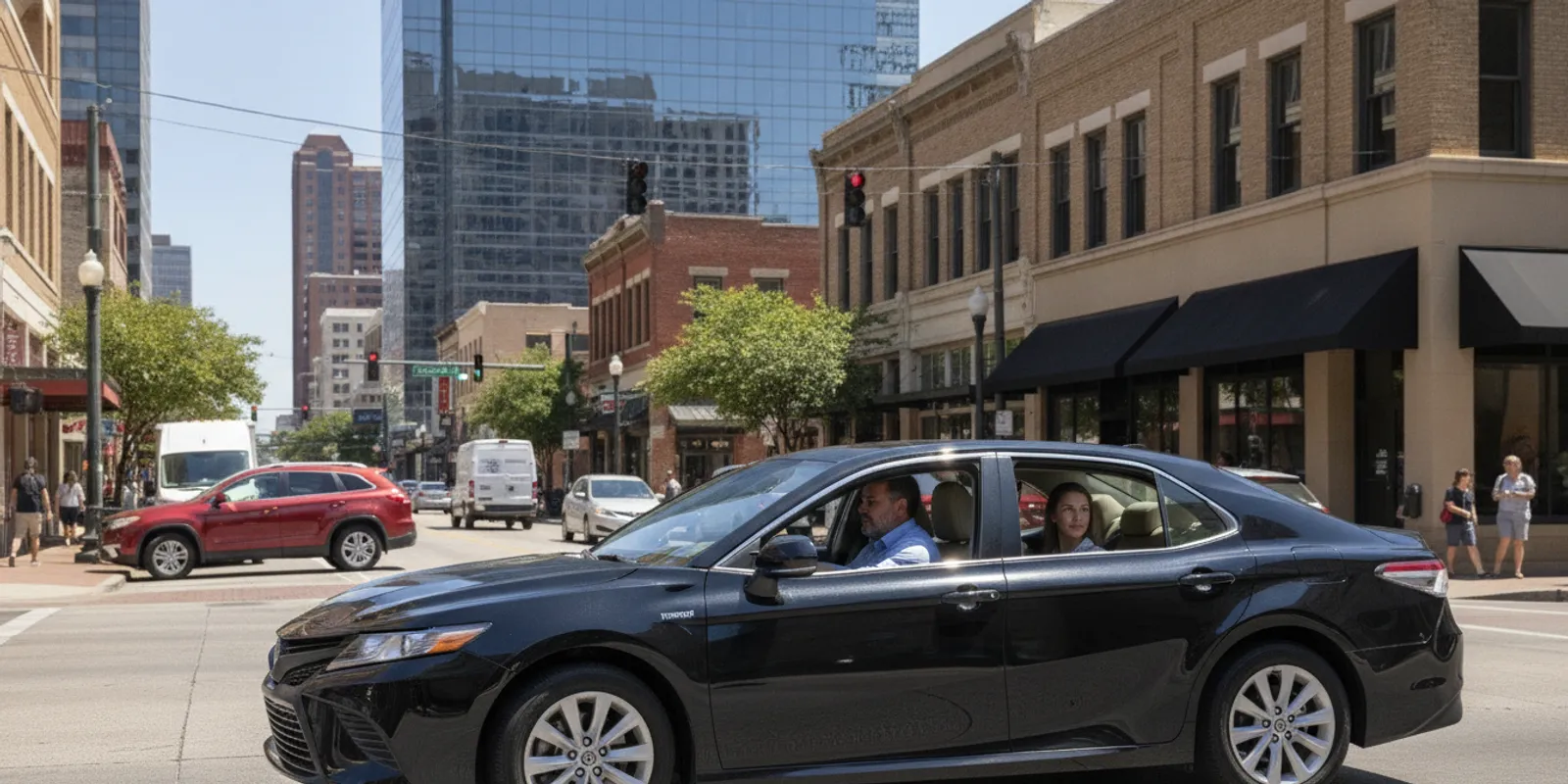
A Lyft accident attorney may need to identify the driver’s exact app status at the moment of a Texas crash because insurance coverage can change from one stage of a trip to another. The driver’s personal policy, rideshare coverage, and another motorist’s insurance may all matter. If you were hurt, save what you can and avoid assuming that one insurer will handle every part of the claim.
Contact the firm to discuss your situation
Why Does Lyft Driver Status Matter After a Texas Crash?
Rideshare coverage is commonly organized around trip stages. The central question is whether the driver was using the app for personal driving, waiting for a ride request, responding to a request, or transporting a passenger. The answer can affect which policy is expected to respond and how much coverage may be available.
That does not automatically decide who caused the collision. Fault still depends on the facts, such as traffic signals, speed, following distance, road conditions, and the actions of each driver. A rideshare insurer may investigate both the app stage and the events leading up to impact. A passenger, a Lyft driver, another motorist, or a pedestrian may each have a different route to making an insurance claim.
Texas regulates transportation network company insurance through state law. The official Texas Legislature website is a starting point for checking current statutes; policy terms and the facts of a particular trip still matter. The table below summarizes the typical coverage framework, not a decision about any individual claim.
| Driver or trip stage | Coverage generally at issue | What to verify |
|---|---|---|
| App off; no ride accepted | The driver’s personal auto policy is generally the starting point. | Whether the policy applies to the driver’s use of the vehicle and whether another person contributed to the crash. |
| App on; waiting for a request | Personal coverage and the rideshare company’s contingent coverage may be relevant. Texas law sets minimum coverage requirements for this period. | Whether the driver was logged in and available, the policy limits, and how the personal policy coordinates with rideshare coverage. |
| Ride accepted; driving to pick up a passenger | Rideshare coverage for an accepted trip may apply, along with other potentially responsible parties’ policies. | When the request was accepted, whether the trip remained active, and the applicable coverage terms and limits. |
| Passenger picked up; trip underway | Rideshare coverage for an active ride is generally central, with other applicable policies also considered. | Trip records, who was in the vehicle, the trip’s status, and the cause of the crash. |
What If the Lyft Driver Was Offline?
If the driver was not logged into the Lyft app and had not accepted a ride, the driver’s personal auto policy is usually the first policy to examine. The driver may still be responsible if their actions caused the collision. A different driver, vehicle owner, or other party could also bear responsibility depending on the evidence.
Do not conclude that rideshare coverage is unavailable solely because the driver says the app was off. The app’s trip history, dispatch records, and other electronic information may help establish what the driver was doing. If you were a passenger, preserve your ride receipt, trip details, and any messages in the app. If you were in another vehicle, record the driver’s name and vehicle information if safe, and provide those facts to the insurer investigating the crash.
Personal auto policies may contain terms addressing commercial or rideshare use. Whether an exclusion or other policy provision applies depends on the policy language and circumstances. Ask the insurer to identify the policy it is relying on and to explain its position in writing. You can also find consumer insurance information through the Texas Department of Insurance.
What Coverage May Apply While the Driver Waits for a Ride Request?
When a driver has the rideshare app on and is available to receive requests, but has not accepted a ride, the situation is often called the waiting or availability period. Texas law requires a transportation network company to maintain specified insurance for different periods of app use. The commonly described minimums for the waiting period are $50,000 for bodily injury to one person, $100,000 for bodily injury per accident, and $25,000 for property damage. Confirm the current statute and the actual policy before relying on a limit; the amount available can depend on the facts and applicable coverage.
This stage can raise a coordination question: does a personal policy provide any coverage, and is the rideshare policy primary, excess, or contingent under the circumstances? Do not assume that the first insurer contacted will be the only possible source of payment. A claims representative may need the exact moment the app was activated, whether a request had arrived, and whether the driver had accepted it.
For a claimant, practical evidence can be more useful than a verbal description of the app status. Keep the date and time of the crash, the driver’s name, any app or trip screenshots, and the names of witnesses. If a rideshare insurer says the driver was in a different period, ask what records support that conclusion and whether relevant trip data has been preserved.
What Changes After a Driver Accepts a Ride Request?
Once a driver accepts a request and is on the way to pick up a passenger, the trip has moved beyond merely waiting for a request. Rideshare insurance requirements generally change at this point. A crash can happen before the passenger enters the car, so the absence of a passenger in the vehicle does not by itself answer which coverage applies.
The key evidence may include the time the driver accepted the request, the pickup location, the route, and whether the ride was later canceled. A passenger’s app history or receipt can help show the trip timeline. If you were not the passenger, you may not have access to those details; identify the rideshare driver and vehicle to the responding officers and insurers so the trip status can be checked.
Fault is a separate issue. For example, an accepted ride does not establish that the Lyft driver caused a rear-end collision, and it does not erase another driver’s role. Texas follows proportionate-responsibility rules, so more than one person’s conduct can be relevant to an injury claim. For a broader overview of state rules after a vehicle collision, see this guide to Texas car accident laws and injury claims.
What If a Passenger Was Already in the Lyft?
When a passenger is in the vehicle and the ride is underway, the rideshare policy for an active trip is typically a major part of the coverage investigation. Texas law generally requires at least $1 million in primary third-party liability coverage during a prearranged ride. That figure describes a required coverage level, not a guaranteed payment to every person involved. Liability, exclusions, policy terms, and the passenger’s actual losses still need to be evaluated.
A passenger may have a claim if the Lyft driver caused the crash, if another motorist caused it, or if multiple drivers share responsibility. A rider can report an injury even if symptoms develop after leaving the scene. Prompt medical assessment is important for health and creates a record of when symptoms began. Keep copies of visit summaries, prescriptions, bills, and any work restrictions.
Some injuries are not obvious right away. If pain, dizziness, numbness, or other symptoms appear later, seek appropriate medical care and tell the provider about the collision. Do not exaggerate or minimize symptoms when speaking with medical professionals or insurers. A careful record helps show what happened and what treatment followed.
Who May Be Responsible for a Lyft Crash?
The rideshare label does not decide fault. Potentially responsible parties can include the Lyft driver, another motorist, or another person or entity whose conduct contributed to the collision. The available evidence may show that a driver failed to yield, followed too closely, drove distracted, or acted unsafely in another way. An insurer will often examine the crash report, vehicle damage, witness accounts, photographs, and other records.
Responsibility can be shared. Texas law may reduce a claimant’s recovery based on the claimant’s percentage of responsibility, and a claim can be barred if the claimant’s responsibility is greater than the amount allowed by the state’s proportionate-responsibility rule. Because fault allocation can be disputed, avoid guessing about percentages at the scene or making a recorded statement before you understand what is being asked.
Claims can also involve more than one policy. For example, a rideshare driver’s coverage and another driver’s liability coverage may both be investigated. If injuries are serious, medical bills and lost income may exceed one available limit. A review of all potentially applicable policies can help clarify the options, but insurers make coverage decisions based on policy language and evidence.
What Evidence Should You Preserve After the Collision?
Evidence can disappear quickly. App records may be harder to access later, vehicles get repaired, and witnesses may become difficult to locate. If you can do so safely, take these practical steps:
- Save ride records. Keep the ride receipt, trip screen, driver and vehicle details, pickup and drop-off information, cancellation notices, and any messages.
- Photograph the scene. Capture vehicle positions, damage, license plates, traffic controls, road conditions, and visible injuries. Do not enter traffic or put yourself at risk to take pictures.
- Identify witnesses. Ask for names and contact information, and note what each person saw without coaching them.
- Obtain the crash report details. Note the responding agency and any report or incident number. Request the report when it becomes available.
- Keep medical and expense records. Save appointment information, bills, receipts, mileage, and records of missed work or changed duties.
- Preserve communications. Save insurer letters, claim numbers, emails, and call dates. Keep original files where possible.
Do not post detailed commentary about fault or injuries on social media. Do not delete messages or edit original photographs. If a vehicle has a dash camera, request that the footage be saved before it is overwritten. If you need to understand the types of matters the firm handles, review its personal injury practice areas.
What Should You Do to Report and Protect a Claim?
First, address immediate safety and medical needs. Call emergency services when someone is seriously hurt or when the scene requires assistance. Exchange information and cooperate with law enforcement. When it is safe, report the crash through the Lyft app if you were a rider or driver, and notify the relevant auto insurers. Keep a copy or screenshot of each report and note when it was submitted.
Give accurate facts, but distinguish what you personally observed from what you assume. You can report that you felt pain or saw a vehicle change lanes; avoid speculating about another person’s speed or the app status if you do not know. Before giving a recorded statement or signing a release, understand who is requesting it and what the document covers. A release can affect the ability to pursue additional compensation later.
Keep a simple timeline of symptoms, treatment, missed work, and claim communications. Follow medical advice and ask providers questions if you do not understand a treatment plan. If an insurer disputes coverage or fault, request its explanation and the policy provisions it is applying. These steps can help you organize the information needed to evaluate the claim.
When Can a Lyft Accident Attorney Help?
An attorney may help when the driver’s app status is disputed, multiple insurers are involved, the injuries are significant, or a claim is denied or undervalued. A lawyer can review trip records, insurance positions, crash evidence, and potential responsible parties. Legal representation does not guarantee a particular result, and the best next step depends on the facts of the collision.
If you are comparing legal help, ask who will handle communications, how fees and case expenses work, and what decisions require your approval. A guide to contingency-fee injury representation can help you understand questions to ask about fees. You can also learn about injury lawyers serving Austin and the firm’s Austin service area.
Deadlines may apply to injury claims, and evidence can become harder to obtain with time. The date of the crash, the parties involved, and the type of claim can affect which rules apply. If you are unsure about a deadline or an insurer’s position, consider getting case-specific legal advice promptly. The firm also provides information about personal injury claims in Texas.
Contact Cap City Injury Attorneys to discuss the crash
Frequently Asked Questions
Does Lyft insurance apply if the driver had not picked me up yet?
It may. The important distinction is whether the driver had accepted your ride request and was traveling to pick you up, rather than simply waiting for a request or driving with the app off. Trip records and the applicable policy terms help establish the coverage period.
Can I make a claim if another driver caused the Lyft crash?
Yes, a passenger or other injured person may pursue a claim against a driver whose negligence caused or contributed to the collision. The rideshare driver’s status may still matter to coverage, but it does not automatically make that driver responsible for the crash.
What if the insurer says the Lyft driver was offline?
Ask what information supports that conclusion and preserve your own trip details, messages, photos, and witness information. If app status is disputed, the relevant records may need to be requested and compared with the crash timeline.
Should I accept an insurance settlement before finishing treatment?
Be cautious about signing a release before understanding the full terms and how the settlement affects future claims. Some settlements end the claim even if additional treatment is needed later. Consider reviewing the offer and release with a qualified attorney before accepting.
How long do I have to bring a Texas injury claim?
Deadlines depend on the claim and circumstances, and exceptions may apply. Do not rely on a general article to calculate your filing deadline; ask a Texas attorney to assess the dates and parties involved as soon as possible.
After a Lyft collision, the app’s trip stage is an important coverage clue, but sound documentation and a clear account of how the crash happened matter too.
More on the blog
Keep reading.
15 min read
Dog Bite Attorneys in Texas: How to Evaluate Your Legal Options After an Attack
Learn how Texas dog bite attorneys assess evidence, liability, insurance, damages, and fees so you can compare legal options after an attack.
By Cap City Injury Attorneys
12 min read
Car Injury Lawyer Options: What Texas Accident Victims Should Know Before Choosing Counsel
Compare a car injury lawyer’s experience, investigation plan, communication, fees, and insurance approach before choosing counsel.
By Cap City Injury Attorneys
Let's talk about your case.
Free case review, no obligation. We'll tell you straight whether we can help.