
By Cap City Injury Attorneys13 min read
Commercial Vehicle Accident Lawyer: What Makes These Claims Different?
Learn how commercial vehicle crashes differ from car collisions, which records may matter, and practical ways to preserve evidence as a claim is reviewed.
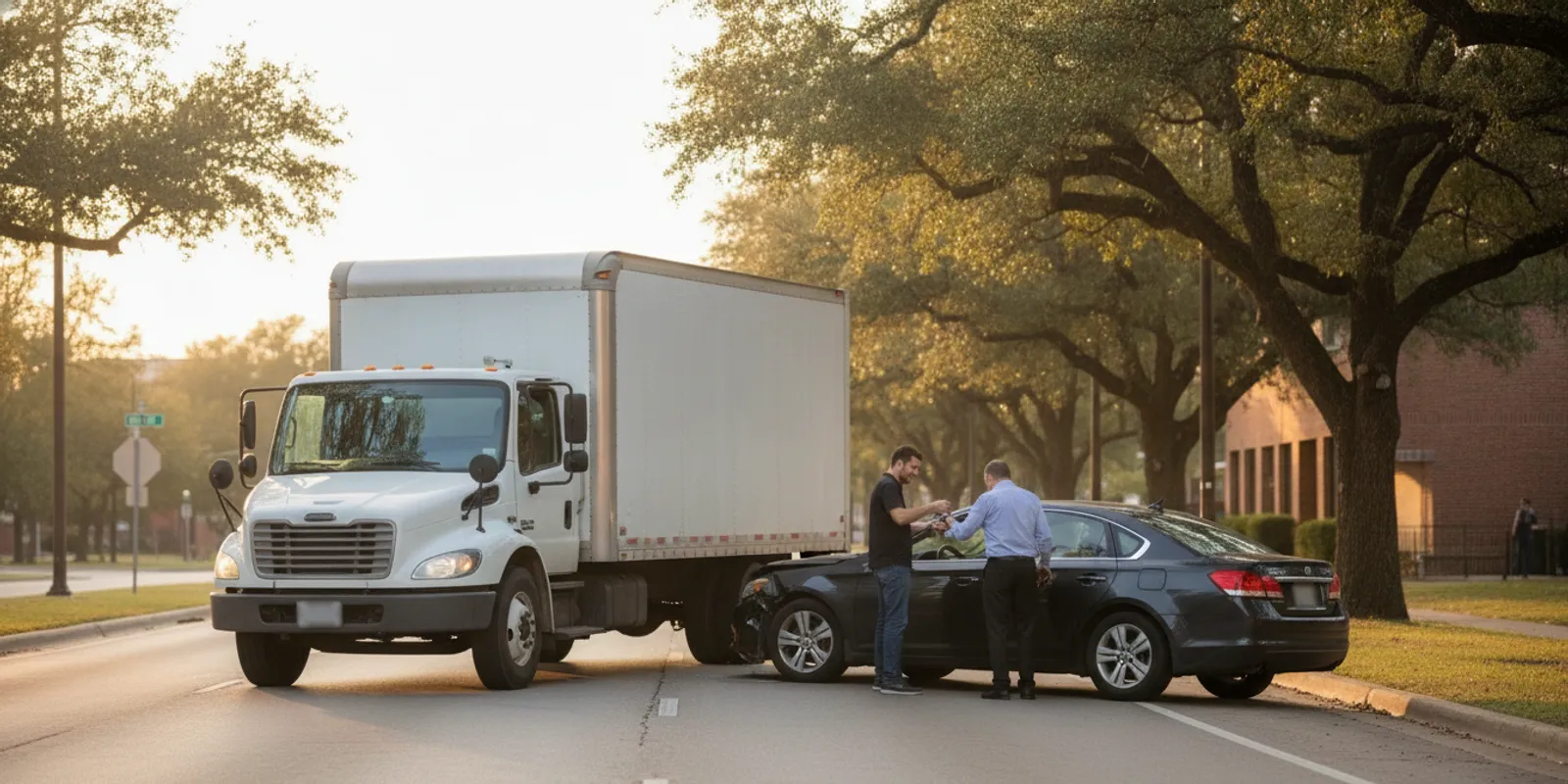
A crash involving a work truck, delivery van, or company vehicle can raise questions that do not usually come up after a two-car collision. A commercial vehicle accident lawyer may investigate the driver's role, the vehicle's owner, company procedures, and records created during the trip. Understanding those differences can help you preserve useful information and avoid drawing conclusions before the facts are known.
Share your questions about the crash
Why can a commercial vehicle crash involve more than the driver?
The person behind the wheel is an important part of a crash investigation, but may not be the only person or organization whose conduct matters. A vehicle may belong to an employer, a contractor, a delivery company, a leasing business, or another owner. The driver may have been working, making a delivery, traveling between job sites, or using the vehicle for a personal purpose. Those details can affect what questions need to be answered.
Do not assume that a company is responsible simply because its name appears on a vehicle. Investigators need evidence about ownership, employment or contract arrangements, the driver's assignment, and the circumstances of the trip. Likewise, a company may not automatically be outside the case because the driver is called an independent contractor. The legal relationship and the facts matter.
Some crashes also prompt questions about maintenance, loading, route planning, or training. These are investigative possibilities, not proof of wrongdoing. A damaged tire, for example, might result from a maintenance issue, road debris, impact damage, or another cause. Records and physical evidence must be considered together.
Consider a delivery van that strikes a car while turning into a customer’s driveway. The driver’s account, the delivery assignment, the route and timing, and the van’s condition may each offer a different piece of context. If the driver was off duty or using the vehicle for an unrelated personal errand, that may change which relationships warrant examination. No single fact settles the issue on its own.
Which records may distinguish a commercial claim?
Commercial operations can create records that are not commonly available in an ordinary passenger-car claim. Depending on the vehicle and the work involved, useful material may include trip or dispatch information, delivery timestamps, inspection and repair records, driver qualification documents, onboard camera footage, and electronic vehicle data. Not every commercial vehicle has every system, and some records may not exist or may not be preserved for long.
| Evidence category | Question it may help answer | Practical consideration |
|---|---|---|
| Crash scene photos and measurements | Where were the vehicles, debris, and visible damage? | Take photos only when safe; note the date and location. |
| Dispatch, route, or delivery records | What was the driver's assignment and timing? | These may be held by an employer or service provider. |
| Inspection and repair records | What maintenance or reported defects were documented? | Compare dates and descriptions with physical evidence. |
| Electronic or camera data | What vehicle movement or recorded view may exist? | Availability and retention vary by vehicle and system. |
| Medical and wage records | What treatment, limitations, and financial effects followed? | Keep copies and organize them by date. |
Records are most useful when their source and timing are clear. Preserve original files when possible, keep complete message threads, and avoid editing images or video. A written note can identify who provided an item and when you received it. If a record is incomplete or difficult to open, save a copy in another format without deleting the original.
Vehicle data should not be treated as a complete account of fault. It may show speed, braking, or other limited information, but it does not necessarily explain why a driver acted or what the road conditions were. A qualified review may be needed to interpret technical data alongside witness statements, photographs, and damage patterns.
Think of the evidence as a timeline rather than a stack of isolated files. A dispatch message might show when a delivery was assigned; a timestamped photo may show the scene shortly after impact; a repair record may document a condition weeks earlier. Each item has limits. Check whether dates, time zones, vehicle identifiers, and names match before treating two records as connected.
How should you preserve evidence after the crash?
Start with your own observations and materials. Once you are safe and have addressed urgent medical needs, write down what you remember while the details are fresh. Record the approximate time, direction of travel, weather, traffic conditions, and what happened immediately before and after impact. Separate what you personally saw from what someone else told you.
- Save scene information. Keep photographs, the crash report or incident number, the other driver's details, and witness contact information if available.
- Document visible changes. Photograph injuries and vehicle damage over time, using dates where possible. Do not put yourself in danger to obtain an image.
- Keep communications. Save messages, emails, claim numbers, and letters from insurers or businesses. Note the date and name of anyone you speak with.
- Organize treatment records. Keep appointment summaries, medication information, bills, and work absence documentation in a dated folder.
- Identify possible business records. Note the truck number, company name, route or delivery details, and any camera or equipment you observed. Do not try to access company systems yourself.
If a commercial vehicle or its equipment may contain relevant information, prompt preservation can matter because routine practices may overwrite or discard some material. You can keep a factual note of the vehicle identifiers and the business involved. A legal representative can assess whether a formal preservation request is appropriate; sending one does not guarantee that every record exists or will be produced.
A simple evidence log can make this process manageable. Use columns for the item, date created or received, source, and where the original is stored. For example, an entry might read: “Scene photo, Nov. 5, taken by me, saved in phone originals.” That note does not prove what the image shows, but it helps preserve context and avoid confusion later.
For more context about a particular large-truck collision, see this guide to truck accident claims in Texas. A crash involving a smaller work van can raise different factual questions, so describe the type and use of the vehicle accurately.
What questions help clarify responsibility?
Responsibility is determined from evidence, not from the vehicle's size or company branding. Investigators may ask whether the driver had permission to use the vehicle, whether the trip was work-related, and whether any company rule or job demand contributed to the circumstances. They may also examine whether a vehicle defect, cargo issue, or unsafe condition played a role.
- Who owned, leased, maintained, and controlled the vehicle?
- Was the driver carrying out assigned work at the time?
- Were there witnesses, cameras, or electronic records that can corroborate the sequence?
- Did an inspection or repair record document a relevant problem before the collision?
- Was cargo or equipment involved, and is there evidence about how it was secured?
- Are there multiple insurance policies or organizations that may need to be notified?
These are leads to examine, not conclusions. A company may have several entities with similar names, and the operator, owner, employer, and insurer may be different. Identifying the correct parties can take time. Avoid relying only on a logo, a driver's statement, or an early insurance position to decide who is legally responsible.
Imagine a maintenance record noting a recurring brake concern, followed by a crash in which braking is disputed. That timing may justify further inquiry, but it does not alone establish that a mechanical failure caused the collision. The record needs to be authenticated and compared with repair history, inspection findings, physical evidence, and the driver’s account. Conversely, a lack of a written complaint does not by itself prove that a vehicle was properly maintained.
Federal motor carrier requirements apply to some operations, but not every work vehicle or crash falls under the same rules. The Federal Motor Carrier Safety Administration provides agency information about motor carrier safety and oversight. Its general resources do not determine who caused a particular collision or establish liability in an individual claim.
How can the insurance process differ?
A commercial vehicle may be covered by an employer's policy, a fleet policy, a contractor's policy, or other coverage depending on ownership and use. More than one insurer may become involved. The first company to contact you may be investigating for one insured party, and its questions are not the same as an independent determination of fault or the value of an injury claim.
Be accurate and concise when communicating. You can provide basic identifying information and ask who the caller represents, what claim number applies, and whether the request is for a recorded statement or documents. Do not guess about speed, distance, or medical details. If you do not know, say so. Avoid signing a broad medical or information release before understanding its scope.
Do not assume that the largest policy will apply or that a commercial label means unlimited coverage. Coverage, exclusions, policy limits, and the relationship between the driver and business all require review. Keep copies of anything you send or receive and record the date of each communication.
When a representative asks for documents, clarify what period and subject the request covers. A request for records about treatment after the crash is different from a broad request for years of unrelated medical history. Ask how to submit the information securely, keep a copy of what you provide, and note any items you do not have. This creates a record of what was requested and what was actually sent.
If the collision involved a passenger vehicle rather than a work truck, the basic steps overlap, but the parties and available records may be different. The firm's overview of Texas car accident laws offers related background. Readers can also review the broader personal injury practice areas page to identify the type of claim involved.
What should you avoid doing while facts are being gathered?
A few practical precautions can prevent confusion. Do not repair or dispose of a damaged vehicle before documenting the condition and checking whether inspection is needed. If a repair is urgent for safety, photograph the damage first and keep invoices and replaced-part information when available. Do not alter a dash camera file or post speculation about the crash on social media.
Do not contact a business's employees repeatedly to investigate the incident yourself. Keep communications professional and save what you receive. If you are asked to provide a statement, consider the purpose and scope before agreeing. You can ask for a request in writing and take time to understand it.
Also avoid delaying needed medical care while trying to build a claim file. Tell treating professionals about symptoms and follow their instructions. Keep your own notes about how symptoms affect daily activities, but do not exaggerate or minimize them. Consistent, accurate records help others understand the timeline.
Be careful about filling gaps in your memory with guesses. If you remember that the truck was approaching from the left but are unsure of its speed, record the first observation without estimating. If your recollection changes as you learn more, keep the original note and date any later correction. A clear distinction between memory, inference, and information received from others makes the account easier to assess.
How can you prepare for a review of your claim?
Organize information in a simple chronology. Start with the crash date, then list medical visits, communications, missed work, repairs, and any new evidence. Include the source for each item. A short timeline is often easier to review than an unsorted collection of files.
For instance, a timeline might show the collision at approximately 8:20 a.m.; a witness call later that day; an urgent medical visit that evening; and a claim representative’s voicemail the next morning. Mark uncertain times as approximate rather than making them appear exact. Include both events that support your account and facts that remain unclear.
Before asking for guidance, gather what you already have: the incident or report number, photographs, insurance correspondence, vehicle details, and a list of injuries and treatment dates. You do not need to solve questions about ownership or federal rules before seeking an initial review. A lawyer can identify what is known, what remains uncertain, and which records may be worth requesting.
A useful folder structure could separate scene materials, vehicle information, medical records, work or income documents, and insurance communications. Use descriptive file names such as “2026-11-05 scene photo 1” instead of “IMG_4821.” Keep a backup, and retain originals. If you share a file, record the recipient and the date. These habits reduce the chance that a useful item becomes hard to locate months later.
Cap City Injury Attorneys handles personal injury matters including commercial truck and vehicle collision claims. For a case-specific discussion, you can send the firm your questions or review its Austin injury attorney information. Any assessment depends on the evidence and applicable law; an online article cannot determine the outcome of a particular claim.
As you prepare, write down the questions you want answered rather than trying to reach a legal conclusion yourself. You might ask which entity owned the vehicle, whether relevant camera footage could exist, what records should be preserved, and whether more than one insurer is involved. A focused list helps make an initial discussion productive even if some documents are still missing.
Request a conversation about your situation
Frequently Asked Questions
Is a company automatically responsible if its vehicle caused the crash?
No. The company's role, the driver's work status, vehicle ownership, and the circumstances of the trip all matter. Evidence must support any claim of responsibility.
Can a commercial vehicle have records beyond the crash report?
Possibly. Depending on the vehicle and its operation, there may be dispatch, inspection, repair, camera, or electronic information. Systems and retention practices vary, so availability should not be assumed.
Should I speak with the other driver's insurer?
You may receive contact from an insurer, but first clarify whom it represents and what information it seeks. Be truthful, avoid guessing, and understand the scope of any recorded statement or document release before agreeing.
Does a commercial vehicle claim always involve federal regulations?
No. Federal motor carrier rules may be relevant to some vehicles and operations, but not every work vehicle or crash is governed in the same way. The vehicle's use and the parties involved should be evaluated.
What if I do not know which company owned the vehicle?
Keep the details you do have, such as the vehicle description, plate, markings, and incident number. Do not guess at the owner; the information can be checked as the claim is reviewed.
Careful notes, preserved records, and prompt attention to your health can make it easier to understand what happened and what questions remain after a commercial vehicle collision.
More on the blog
Keep reading.
14 min read
Premises Liability Insurance in Texas
Learn how premises liability insurance can shape a Texas injury claim, from incident reports and medical records to settlement talks and coverage fights.
By Cap City Injury Attorneys
13 min read
Rideshare Accident Law Firm: How to Evaluate Your Options
Compare legal help after a rideshare crash by reviewing investigation plans, communication, records, insurance questions, and written fee terms.
By Cap City Injury Attorneys
Let's talk about your case.
Free case review, no obligation. We'll tell you straight whether we can help.