
Areas served
Cedar Park Personal Injury Lawyer
Cedar Park has grown faster than its road network for more than a decade, and that mismatch is the single biggest driver of the city's injury caseload. Cases arising in Cedar Park belong to Williamson County for venue purposes and are filed in the Williamson County district courts in Georgetown, applying the standard Tex. Civ. Prac. & Rem. Code § 16.003 two-year limitations period and Texas 51%-bar comparative fault. What sets Cedar Park apart from neighboring cities is the toll-road influence: US-183A cuts through town as a high-speed limited-access spine, and the surface-level FMs that feed it carry suburban-density traffic at near-highway speeds.
US-183A, RM-1431, and the Cedar Park corridors we see most
US-183A through Cedar Park is the toll-road backbone: limited access, sixty-five-mile-per-hour posted speed, and a steady source of high-speed sideswipe and merge collisions at the Whitestone Boulevard, Cypress Creek, and Avery Ranch interchanges. The corresponding free lanes of US-183 run alongside and feed surface traffic into RM-1431 (Whitestone), which is the city's east-west spine and the corridor that produces the largest volume of intersection and left-turn crashes in our Cedar Park files. RM-620 sweeps the south side and connects toward Lakeway and the Four Points area. The Parmer Lane corridor on the eastern edge bleeds traffic in from Austin's Domain area and produces a steady rear-end pattern at the signalized intersections approaching the Cedar Park city limit.
Williamson County district court and what venue means in practice
Cedar Park is split across the Williamson/Travis county line in a small handful of southern subdivisions, but the vast majority of the city sits in Williamson. That means a Cedar Park crash typically files in Williamson County district court in Georgetown: generally one of the 26th, 277th, 368th, 395th, 425th, or 480th civil district courts. Under Tex. Civ. Prac. & Rem. Code § 15.002, venue is proper where the events occurred or where the defendant resides, and either basis usually points to Williamson. The handful of Cedar Park addresses south of the county line can change that analysis; we map the actual crash coordinates against the line before filing because juror composition differs meaningfully between the two counties.
Medical infrastructure across the Cedar Park – Leander corridor
Cedar Park Regional Medical Center on Discovery Boulevard is the city's primary hospital and the first stop for most serious crashes on US-183A and RM-1431. Many of our clients also see Ascension Seton Williamson in Round Rock or the Baylor Scott & White Medical Center – Lakeway facility for follow-up imaging and orthopedic consultations. Hill Country specialty groups handle a meaningful share of the spine and shoulder follow-up that Cedar Park injury claims turn on. The recurring pattern is the same one we see across Williamson: fast ER discharges that capture the obvious bruising but miss the soft-tissue and disc injuries that surface a week to a month later. The demand has to be built on the complete record, not the ER note.
Suburban growth, school traffic, and what it means for evidence
Cedar Park's population growth has outpaced infrastructure investment for years and the road geometry shows it: limited shoulder space on some FM stretches, surface streets that funnel into a small number of arterials, and school-zone traffic that creates concentrated AM and PM volume on Lakeline, Parmer, and 1431. Schools across Leander ISD bracket the morning and afternoon commute windows in ways that change visibility and stopping-distance assumptions on the corridors most likely to produce a claim. On the evidence side, the city's growth has also produced widespread Ring, Tesla Sentry, and home-security camera coverage on residential streets, frequently the dispositive footage in a left-turn or T-bone case where the police report is inconclusive. Preservation letters go out fast because most consumer systems overwrite within seven to fourteen days.
Cedar Park practice areas
How we help Cedar Park injury victims.
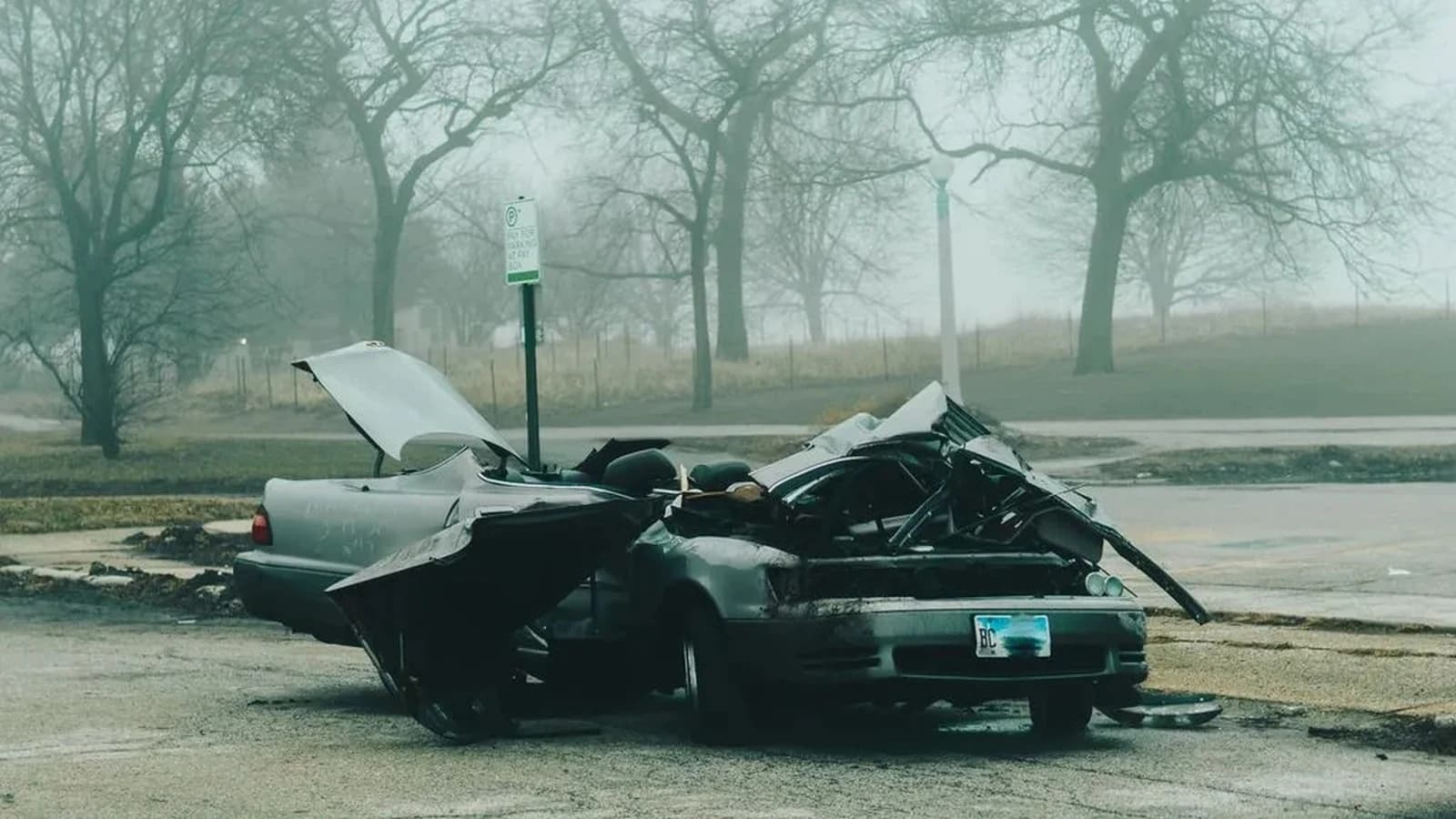
Cedar Park Car Accident Lawyer
Learn more →

Cedar Park Catastrophic Injury Lawyer
Learn more →
Cedar Park Dog Bite Lawyer
Learn more →
Cedar Park Motorcycle Accident Lawyer
Learn more →
Cedar Park Pedestrian Accident Lawyer
Learn more →

Cedar Park Slip & Fall Lawyer
Learn more →

Cedar Park Truck Accident Lawyer
Learn more →
Frequently asked
Questions Texas accident victims ask us
- It depends on the exact crash coordinates, not your home address. The Williamson-Travis county line runs through parts of southern Cedar Park, and the handful of addresses south of the line trigger Travis County venue while the rest go to Williamson. We plot the crash location against the official county boundary at intake because the choice between a Williamson County and Travis County jury can change settlement value materially. The distinction matters more than people expect.
- The substantive law is identical: same Texas comparative fault, same two-year limitations. What changes is the evidence picture. TxDOT operates the gantry cameras along the toll lanes and captures footage that frequently shows the seconds before a crash; we send a preservation letter to TxDOT and to the Central Texas Regional Mobility Authority promptly because retention windows are short. EDR (event data recorder) downloads tend to be more useful on toll-road crashes because impact speeds are higher and the recorded delta-V supports a more serious medical narrative.
- Cedar Park Regional Medical Center on Discovery Boulevard is the closest full-service hospital and is the typical destination for crashes on US-183A, RM-1431, and the surrounding arterials. For serious trauma, EMS may divert to Ascension Seton Williamson in Round Rock or to Dell Seton in downtown Austin depending on acuity. Many follow-up appointments end up at Baylor Scott & White Medical Center – Lakeway or with the Hill Country orthopedic and spine specialists who cover the area.
- More than people realize. Cedar Park's residential street density and the prevalence of Ring, Nest, Tesla Sentry, and home-security cameras mean a surprising number of intersection and parking-lot collisions are captured from at least one angle. The footage is often dispositive on left-turn, lane-change, and pedestrian cases where the police narrative is inconclusive. The problem is retention: consumer cameras frequently overwrite within seven to fourteen days, so the preservation request has to go out within the first week of intake.
- Texas minimum liability is $30,000 per person and $60,000 per accident, numbers that vanish the moment surgery or imaging-positive disc injury is on the table. When the at-fault driver is policy-thin, the case turns on layering: your own underinsured-motorist coverage, any household-resident policy, and any employer commercial policy if the other driver was working at the time. Cedar Park files frequently involve a driver who was running a side job (landscaping, contracting, delivery) and the employer policy is where the real recovery is.
- It can change the liability analysis. Reduced school-zone speeds and the school-zone signage timing create a record of what the speed limit actually was at the moment of the crash. If the at-fault driver was traveling above the posted school-zone speed during active hours, that is a negligence per se argument we develop into the demand. We pull the school-zone flasher logs and TxDOT or city signal records when timing is in dispute.
- Yes. Active construction zones along RM-1431, US-183A, and the Parmer corridor change lane geometry, signage, and stopping distances on a near-monthly basis, and at-fault drivers frequently argue temporary signage was unclear or contractor markings were misleading. In some cases the construction contractor itself becomes an additional defendant. The Texas Transportation Code and TxDOT contract documents define what the contractor was required to do, and the gap between the requirement and what was actually marked is where liability often lives.
- A volume firm running thousands of files at once cannot give a Cedar Park case the local attention it requires. The attorney handling your file may have never set foot in the Williamson County courthouse, may not know which orthopedic groups serve the corridor, and may settle a soft-tissue file at the first offer because moving inventory is the business model. Cap City keeps a deliberately smaller caseload so the lawyer on your file is the one in the room with the adjuster and, if it comes to it, the one standing up in front of the Williamson County judge.
Let's talk about your case.
Free case review, no obligation. We'll tell you straight whether we can help.