
Free Case Review
Close
Tenant carefully walking near broken apartment stairwell with safety awareness

Your Guide to Apartment Complex Injury Claims Texas

An apartment should be a safe place to live or visit. But a broken stair, slick walkway, dark parking area, or neglected security problem can cause serious harm. When an injury results from a condition the property owner knew about. Or reasonably should have known about, the facts may support a premises liability claim under Texas law.

Speak directly with a Texas premises liability attorney about your apartment injury. Call (512) 612-3110 or contact us online for a consultation.

Apartment complex injury claims Texas tenants and guests may pursue can involve medical expenses, lost income, and other damages when unsafe property conditions caused the injury. The strength of a claim often depends on proving the hazard, showing the responsible party had notice, and connecting that condition to the injury. Cap City Injury Attorneys helps injured tenants and guests evaluate these cases with direct attorney attention and a strategy built around evidence, accountability, and full recovery.

The first step is understanding which hazards commonly lead to apartment injuries and why documenting them quickly matters.

Common Apartment Complex Hazards That Cause Injuries in Texas

Apartment communities should be safe places to live and visit, but shared spaces can become dangerous when owners or managers overlook maintenance and security. In 2024, 30.2 million medically treated injuries occurred in U.S. homes, according to the National Safety Council, a category that includes residential settings such as apartment complexes. The Texas Property Code and common law premises liability principles explain why an injury in a common area should not be dismissed as a routine accident.

Falls from stairs, walkways, and wet floors

Falls are the leading cause of home injuries requiring medical attention. The risks increase when a property has broken or uneven stairs, missing or loose handrails, inadequate guards, or poor lighting. The National Center for Biotechnology Information identifies inadequate lighting, steep or damaged stairs, and stairs without handrails as fall hazards. Review the NCBI discussion of home fall hazards.

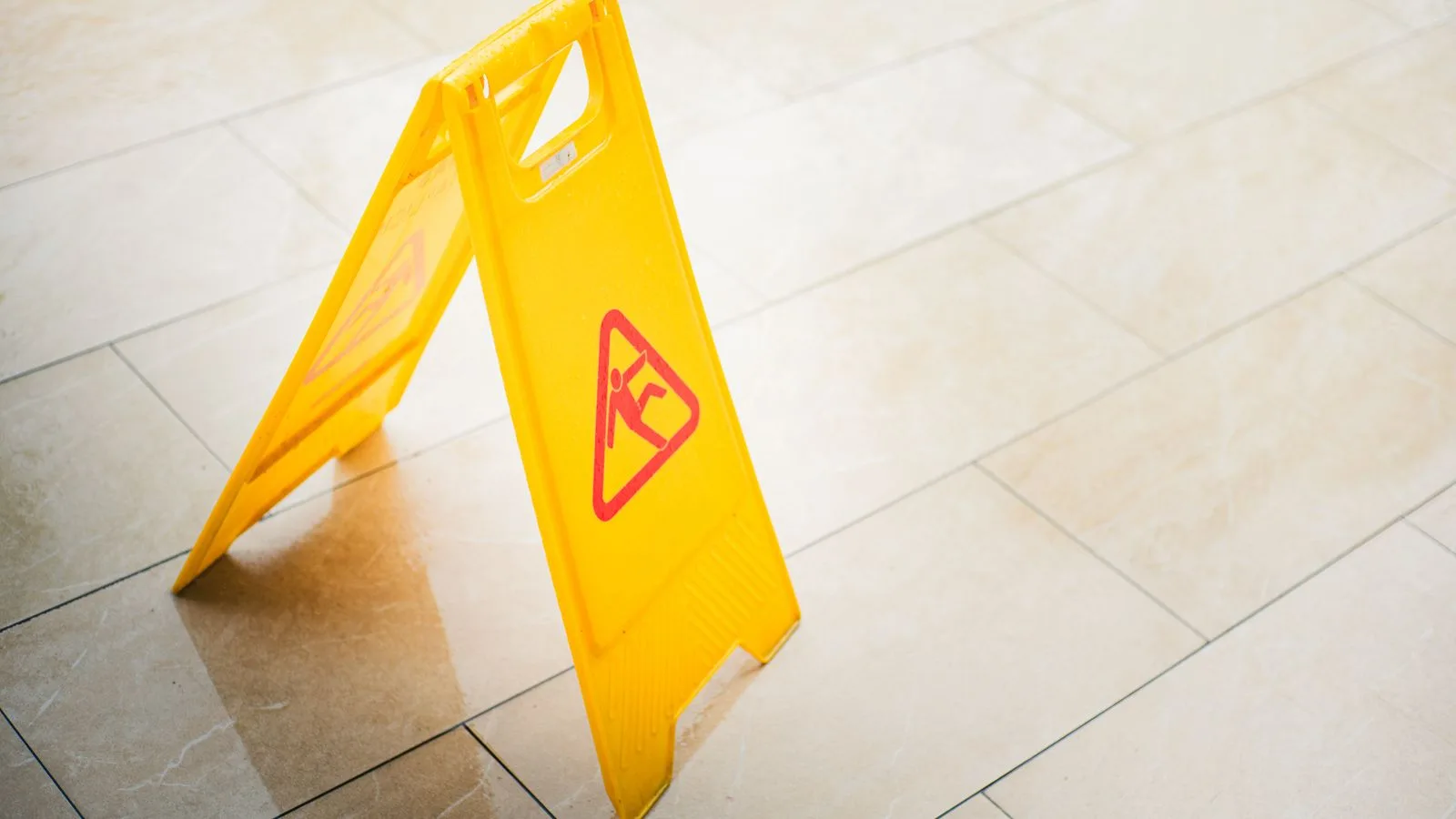
In an apartment complex, similar conditions may appear in stairwells, parking lots, sidewalks, lobbies, and laundry rooms. A wet floor without timely cleanup or warning signs can cause a slip, while a broken gate or uneven walkway can create a separate risk. Maintenance records, inspection schedules, incident reports, and photographs may help show how long a dangerous condition existed and whether management had an opportunity to address it.

Pools, pets, and common-area hazards

Swimming pool accidents can involve slippery surfaces, inadequate barriers, defective equipment, or a lack of reasonable supervision and warnings. Dog bites may occur when a resident’s animal is not properly restrained in a hallway, courtyard, or other shared area. The circumstances matter, including whether management knew about a dangerous animal or failed to enforce applicable property rules.

Broken gates and negligent security

Negligent security claims can arise when an apartment property has foreseeable crime risks and fails to take reasonable precautions. A broken entry gate, burned-out parking lot lights, unsecured doors, or malfunctioning access controls can make residents and guests more vulnerable. Prior police reports, tenant complaints, and property incident logs may be relevant to whether management had notice of a recurring danger. A security failure does not automatically establish liability, but it warrants careful investigation, particularly after an assault, robbery, or other criminal act.

If you were hurt because of a dangerous apartment condition, preserve photographs, report the incident in writing, and seek medical attention. The facts surrounding the hazard, notice, and injury can determine whether you may have a premises liability claim.

Landlord Duties Under Texas Premises Liability Law

Texas landlords have legal responsibilities that can matter when a tenant or guest is injured at an apartment complex. Those responsibilities depend on the condition that caused the injury, who controlled the area. What the landlord knew or should have known, and the injured person’s status on the property. A violation of the Texas Property Code does not automatically decide an apartment complex injury claims Texas case, but it may provide important evidence of what reasonable property management required.

The duty to repair unsafe conditions

Texas Property Code Section 92.052 requires a landlord to make a diligent effort to repair or remedy a condition that materially affects the physical health or safety of an ordinary tenant. Provided the tenant has given proper notice and is not delinquent in rent. The statute can apply to hazards such as dangerous stairs, defective handrails, exposed electrical problems, or other unsafe conditions within the landlord’s legal responsibility.

Notice is often central. A written maintenance request, email, text message, work order, or prior complaint may help show when management learned about the condition. The circumstances may also support an argument that management should have discovered the hazard through reasonable inspection, even if it denies receiving a direct complaint.

Required security devices are different from security guards

Texas Property Code Chapter 92, Subchapter D requires certain security devices in residential dwellings without the tenant having to request them. Section 92.153 includes a doorknob lock or keyed deadbolt on each exterior door, a keyless bolting device, and a door viewer. Exterior sliding glass doors must have a pin lock and either a handle latch or security bar. See the requirements in Texas Property Code Section 92.153.

These requirements should not be confused with a blanket duty to provide security personnel. Section 92.052 expressly states that the subchapter does not require a landlord to furnish security guards. In a negligent-security case, foreseeability and the property’s history may still matter. Prior incidents, their proximity, recency, frequency, similarity, and publicity can help show whether a criminal act should reasonably have been anticipated.

Invitees, licensees, and trespassers have different protections

Texas premises liability law generally divides visitors into invitees, licensees, and trespassers. Tenants are typically treated as invitees, while a guest visiting a tenant may be treated as a licensee. Those classifications affect the landlord’s duty to inspect, warn, or address known hazards. Trespassers generally receive the least protection, subject to important exceptions.

Visitor Status Definition Landlord’s Duty
Invitee Enters with owner’s knowledge for mutual benefit (e.g., tenant) Highest duty: inspect for hazards, warn of known dangers, make safe
Licensee Enters with permission for own purposes (e.g., guest visiting tenant) Middle duty: warn of known concealed dangers the owner knows about
Trespasser Enters without permission Lowest duty: refrain from willful, wanton, or grossly negligent harm

Because status and control of the specific area can change the analysis, an injured person should preserve lease records, incident reports, photographs, and communications with management. A careful review of the premises liability laws in Texas can help clarify which duties may apply.

What You Need to Prove in Apartment Complex Injury Claims in Texas

To succeed in an apartment complex injury claim, you generally must connect the property owner or another responsible party to the harm through negligence or premises liability. The legal analysis usually centers on four elements: duty, breach, causation, and damages.

1. The property owner owed you a duty

Texas recognizes different duties based on why a person entered the property. An invitee enters with the owner’s knowledge for a mutual benefit. Tenants are typically treated as invitees in areas the landlord controls. A licensee enters with permission for a personal purpose, such as a guest visiting a tenant, and receives a middle level of protection. A trespasser enters without permission and generally receives the least protection. Texas property owners typically must avoid willful, wanton, or grossly negligent harm to trespassers.

These categories can affect whether a landlord had to inspect for hazards, warn you about a known condition, or take reasonable steps to correct it. The distinctions are part of the broader premises liability laws in Texas.

2. The owner or manager breached that duty

A breach may involve failing to repair a dangerous condition, failing to warn tenants or visitors. Or failing to use reasonable care in maintaining areas under the defendant’s control. You may need to show that the landlord or management company had actual knowledge of the hazard. Such as receiving a tenant complaint, or constructive knowledge, meaning the condition existed long enough that a reasonable inspection should have discovered it. A landlord’s claim that management did not know about a problem is not always enough when the condition was obvious or remained unaddressed for an unreasonable period.

Texas Property Code Section 92.052 also addresses a landlord’s duty to make a diligent effort to repair conditions that materially affect an ordinary tenant’s physical health or safety after proper notice. Subject to statutory requirements. That duty does not automatically make a landlord responsible for every injury, but notice. Inspection practices, repair requests, photographs, and maintenance records can help establish what management knew and when.

3. The breach caused the injury

You must show a connection between the unsafe condition and the incident. For example, a broken stair must be more than a maintenance defect that existed somewhere on the property. The evidence must support that it caused your fall and resulting harm. Premises liability generally concerns a dangerous condition on the property. Negligent activity concerns an ongoing activity that caused the injury. That distinction can affect how the claim is evaluated.

4. You suffered legally recognized damages

Finally, document the harm caused by the incident. Medical treatment, lost income, physical pain, and related effects may support a damages claim when they are tied to the proven negligence. Prompt medical care and complete records can help preserve that connection.

Steps to Take After an Apartment Complex Injury in Texas

What you do in the first hours and days after an apartment injury can protect both your health and your ability to investigate what happened. Take these steps as soon as you can, even if the property manager says the condition will be fixed.

  1. Seek medical attention immediately

    Get emergency care for serious symptoms, or arrange an evaluation with a medical provider as soon as possible. Tell the provider exactly how the injury happened and identify every area that hurts. Follow the treatment plan and keep records of visits, bills, prescriptions, restrictions, and missed work. Delaying care can worsen an injury and make it harder to connect your symptoms to the apartment incident.

  2. Report the injury to management in writing

    Notify the property manager or leasing office promptly. Use email, a resident portal, or another method that creates a time-stamped record. Describe the date, time, location, hazard, and injuries without guessing about fault. Ask for written confirmation that management received the report, and keep copies of your message and any response. Do not rely only on a verbal report made at the scene.

  3. Document the scene with photos and video

    Photograph the condition from several distances and angles before it is repaired, cleaned, moved, or removed. Capture lighting, warning signs, stairs, flooring, handrails, gates, or other surrounding features that help show the setting. If your injuries prevent you from documenting the scene, ask a trusted person to do it promptly. Preserve the original files and note when and where each image was taken.

  4. Preserve evidence before it disappears

    Security footage and maintenance logs are often perishable and should be preserved immediately. Send management a written request to preserve video, work orders, inspection records, incident reports, tenant complaints, and electronic access records for the relevant time period. Do not assume the property will retain these materials automatically. You can also review security footage to prove your claim. An attorney can send a formal preservation letter and pursue additional evidence when necessary.

  5. Identify witnesses and record their statements

    Ask people who saw the incident or the dangerous condition for their names and contact information. Write down what each person observed while memories are fresh, including whether anyone warned management about the hazard before your injury. Do not pressure witnesses to adopt your interpretation. Their independent accounts may help establish what the property looked like and who knew about the problem.

  6. Consult a Texas premises liability attorney

    An attorney can evaluate whether the landlord, management company, maintenance contractor, or another party may be responsible. Bring your medical records, written reports, photographs, witness information, lease, and communications with management. Prompt legal advice matters because evidence can be lost while the property changes. And the facts needed to prove apartment complex injury claims Texas may be controlled by someone else. A lawyer can also communicate with insurers and protect you from signing a rushed settlement before the full extent of your injuries is known.

Keep every document related to the incident in one secure file, and avoid posting detailed commentary about it on social media while the claim is being evaluated.

Have questions about your apartment complex injury in Texas? Speak directly with an attorney at (512) 612-3110 or contact us online.

Who Can Be Held Liable for Your Apartment Complex Injury

More than one person or company may share responsibility for an injury at an apartment complex. Liability usually depends on who owned, occupied, managed, maintained, or controlled the area where the hazard existed. As well as who knew or should have known about the danger.

Property owners and landlords

The property owner, often called the landlord, may be responsible for dangerous conditions in areas under the owner’s control. Texas Property Code Section 92.001 defines a landlord as the property owner. That definition matters because a management company may handle daily operations without being the legal owner.

An owner’s potential liability can involve failing to repair a known hazard, failing to warn tenants and visitors, or failing to maintain safety features required by law. For example, Texas law requires certain security devices in residential dwellings. The facts of the injury, the owner’s notice, and the owner’s control over the condition will all affect a premises liability analysis.

Property management companies

A management company is not automatically protected from an injury claim simply because it does not own the apartment complex. Texas property law recognizes that premises liability can extend to people who control the property, including managers. The Texas Real Estate Research Center at Texas A&M explains that a property manager may face potential liability for injuries occurring on the premises when the manager possesses or controls the area. Read the Texas A&M premises liability guide.

When an owner delegates maintenance or safety duties to a management company, the contract, the company’s actual responsibilities, and its response to reported hazards may become important evidence. Delegating a task does not necessarily resolve who is accountable. An investigation may need to determine whether the manager received notice, scheduled repairs, inspected the property, or had authority to correct the condition.

Maintenance contractors and tenants

A third-party contractor may be liable if negligent work or an incomplete repair created the hazard. The contractor’s records, work orders, inspection history, and communications can help establish what happened.

In some situations, another tenant may be responsible for creating or controlling a dangerous condition. Texas property law recognizes potential liability for tenants or lessees who occupy and control property, not only for landowners and managers. Identifying every responsible party is important in apartment complex injury claims Texas because the evidence may point to shared or separate acts of negligence.

What Damages You Can Recover for an Apartment Complex Injury in Texas

If a landlord, property manager, or another responsible party negligently caused your injury, you may have a claim for compensation. Potentially recoverable damages can include medical bills, lost wages, and pain and suffering. The value and scope of an apartment injury claim depend on the severity of the harm, the evidence of negligence, and how the injury affects your daily life.

Medical expenses, including future treatment

You may seek reimbursement for reasonable medical expenses related to the injury. These can include emergency care, ambulance transportation, diagnostic testing, surgery, medication, physical therapy, follow-up appointments, and other necessary treatment. If doctors expect you to need additional care, future medical expenses may also be part of the claim. Keep bills, treatment records, prescriptions, and information about recommended care so the full medical impact can be evaluated.

Lost wages and reduced earning capacity

An injury can create financial losses beyond medical bills. If you missed work while recovering, you may be able to pursue lost wages. A serious injury may also limit your ability to perform your former job, reduce your hours, or affect future earning opportunities. Documentation such as pay records, employer statements, tax information, and medical restrictions can help show how the injury affected your income.

Pain, suffering, and other non-economic losses

Compensation may also address physical pain, emotional distress, inconvenience, disfigurement, and the loss of normal activities. These losses do not come with a simple invoice. Evidence can include medical records, treatment history, testimony from family members, and your own account of how the injury changed your routine. If you are considering whether you can sue for a slip and fall, the same principle applies: the cause of the injury and its effect on your life both matter.

Punitive damages in limited cases

In rare situations involving gross negligence, malice, or fraud, Texas law may permit punitive damages. These are not intended to compensate for a specific loss but to punish particularly egregious conduct and deter similar behavior. Punitive damages are difficult to obtain and require clear and convincing evidence. The analysis is highly fact-specific and typically requires careful evaluation by a licensed attorney.

Property damage and out-of-pocket costs

You may also recover compensation for property damaged in the incident, such as clothing, electronics, personal effects, or other items. Additionally, out-of-pocket costs like transportation to medical appointments, prescription co-pays, and medical equipment can be included when supported by receipts and records.

Talk to a Texas injury attorney about what damages you may be entitled to recover. Call (512) 612-3110 or reach out online.

Frequently Asked Questions

Can I sue my apartment complex for an injury in Texas?

Potentially. A landlord, property manager, or other party may be responsible when a dangerous condition on the property caused your injury. The strength of your case depends on whether the responsible party knew or should have known about the hazard and failed to address it. Consulting a Texas premises liability attorney can help evaluate the specific facts and determine whether legal action is appropriate.

What is premises liability in Texas for apartment injuries?

Premises liability is the area of law that addresses injuries caused by unsafe conditions on property. For apartment complex injury claims Texas law applies the same general premises liability framework used for other properties. But the specific duties depend on the visitor’s status, who controlled the area, and whether the landlord had notice of the hazard.

What should I do if I am injured at an apartment complex in Texas?

Get appropriate medical care, photograph or record the condition if you safely can, and identify witnesses. Report the injury to management in writing, preserve all evidence including maintenance records and security footage, and consult a Texas premises liability attorney promptly.

Who may be liable for an apartment complex injury?

Liability may involve the property owner, apartment management company, maintenance contractor. Or another tenant depending on who controlled the area where the hazard existed and who knew or should have known about the dangerous condition.

Ready to Speak With a Texas Injury Attorney?

If an apartment complex injury left you dealing with medical concerns, unanswered questions, or a dispute about responsibility, a focused review can help you understand your options. Cap City Injury Attorneys can evaluate what happened and discuss potential next steps under Texas premises liability law.

Speak directly with an attorney today. Call (512) 612-3110 or contact us online for a consultation.

Matthew Mandelker is the Founder, CEO, and Managing Attorney of Cap City Injury Attorneys, bringing over 15 years of personal injury law experience in Texas to every case he handles. A graduate of St. Mary’s University School of Law, Matthew has served as a partner, sole practitioner, and associate at some of the largest personal injury firms in Texas, giving him a unique perspective on what great legal representation looks like. He founded Cap City Injury Attorneys to combine the sophistication of a major firm with the personalized service of a boutique practice, ensuring every client receives direct attorney access, honest communication, and relentless advocacy. When he is not fighting for his clients, Matthew can be found on Lake Travis or spending time with his 10-year-old twins, and that same dedication to family is the foundation of everything he does at the firm.