

A motorcycle accident is more than just a physical event; it creates a ripple effect that touches every part of your life. Beyond the immediate injuries, you’re dealing with lost income from missed work, the stress of expensive medical treatments, and the emotional trauma of the crash itself. A successful motorcycle injury claim is designed to address all of these losses, not just the obvious ones. It accounts for everything from your hospital bills and future rehabilitation costs to the pain and suffering you’ve endured. Here, we’ll break down the different types of compensation you can recover and explain how to build a case that reflects the accident’s total impact.
Key Takeaways
- Protect your case from the start: Immediately after an accident, seek medical care to officially link your injuries to the crash, photograph everything at the scene for visual proof, and get a police report to establish a formal record of events.
- Avoid common pitfalls that weaken your claim: The other driver’s insurer aims to pay as little as possible, so politely decline to give a recorded statement, do not accept a quick settlement offer, and avoid posting about the accident on social media.
- An attorney ensures you get fair compensation: A successful claim covers all your losses, including medical bills, lost income, and pain and suffering. A lawyer can accurately calculate your claim’s total value, manage the complex legal process, and negotiate with the insurer so you can focus on healing.
What Is a Motorcycle Injury Claim?
Think of a motorcycle injury claim as a formal request for financial compensation after you’ve been hurt in a wreck that wasn’t your fault. It’s the legal process you use to hold the responsible person or party accountable for the harm they caused. When another driver’s carelessness leaves you with injuries, medical bills, and a damaged bike, a claim is your path to recovering what you’ve lost. This isn’t just about getting money for your bike repairs; it’s about covering all the ways the accident has impacted your life.
This process typically starts with the at-fault party’s insurance company. The goal is to secure a settlement that pays for your medical treatments, lost income from being unable to work, and the physical pain and emotional distress you’ve endured. While many claims are settled with insurers, some require filing a lawsuit to get a fair outcome. A successful motorcycle accident claim proves that someone else was negligent and that their actions directly led to your injuries and other damages. It’s your right to seek the resources you need to get back on your feet.
When Can You File a Claim?
You can file a claim as soon as you are medically stable after the accident. In fact, the sooner you start, the better. Texas has a strict deadline, known as the statute of limitations, for filing a personal injury lawsuit, which is generally two years from the date of the crash. While that might sound like a lot of time, evidence can disappear quickly. Witness memories fade, security camera footage gets erased, and accident scenes are cleared.
Acting promptly allows your attorney to begin a thorough investigation while the evidence is still fresh. It also sends a clear message to the insurance company that you are serious about your recovery. Don’t wait for the bills to pile up before taking action.
The Legal Grounds for Your Case
The foundation of any successful motorcycle injury claim is proving negligence. In simple terms, you must show that the other driver acted carelessly and that their carelessness directly caused your injuries. This involves establishing four key things: the other driver had a duty to operate their vehicle safely, they breached that duty (by speeding, texting, or making an unsafe lane change), their actions caused the accident, and you suffered real damages as a result.
Texas law also considers whether you were partially at fault. Under the state’s “modified comparative fault” rule, you can still recover damages as long as you were not 51% or more responsible for the crash. However, your final compensation will be reduced by your percentage of fault. An experienced attorney like Matthew Mandelker can help gather the evidence needed to establish the other party’s negligence and protect your right to fair compensation.
What Causes Most Motorcycle Accidents?
When you’re in a motorcycle wreck, it’s easy for others to assume you were the one taking risks. But the truth is, many crashes have nothing to do with the person on the bike. More often than not, factors outside of a rider’s control are the real cause. Understanding what led to your accident is the first step in building a strong case and getting the compensation you deserve.
Most motorcycle accidents fall into a few common categories. Sometimes, the fault lies with another driver who simply wasn’t paying attention. Other times, the road itself is the hazard, with dangerous conditions that can easily cause a rider to lose control. In less common but equally serious cases, the motorcycle itself can fail due to a defective part. Pinpointing the exact cause is crucial because it determines who is legally responsible for your injuries and losses. An experienced attorney can investigate the details of your crash to identify the responsible parties and hold them accountable. This process involves gathering evidence, speaking with witnesses, and sometimes even reconstructing the accident scene to get a clear picture of what happened. It’s not just about proving what happened; it’s about ensuring the right people are held responsible for the harm they’ve caused you.
Negligent and Distracted Drivers
The most frequent cause of motorcycle accidents is the driver of another vehicle. Many crashes happen because car and truck drivers don’t see motorcycles, make unsafe lane changes, or turn directly in front of them. This often comes down to simple negligence. A driver might be texting, talking on the phone, or otherwise distracted, failing to give the road their full attention. They might misjudge a motorcycle’s speed or fail to yield the right-of-way at an intersection. Because motorcycles are smaller and less protected, these common driving errors can have devastating consequences for the rider.
Unsafe Road Conditions
A hazard that might be a minor annoyance for a car can be a life-threatening danger for a motorcycle. Unsafe road conditions are a serious threat to riders. Common causes of these types of accidents include potholes, loose gravel, oil slicks, uneven pavement, or debris left in the road. Even missing or poorly placed traffic signs can lead to a crash. When a government entity or a private contractor fails to maintain safe roads, they can be held liable for the injuries that result. Proving this type of claim requires showing that the responsible party knew, or should have known, about the hazard and did nothing to fix it.
Defective Motorcycle Parts
Sometimes, an accident isn’t caused by a person but by the machine itself. Defective motorcycle parts can lead to a sudden loss of control and a serious crash. This could be anything from faulty brakes that fail at a critical moment to a defective tire that blows out unexpectedly. When a part fails due to a design or manufacturing flaw, the company that made it can be held responsible. These personal injury cases can be complex, as they often require expert testimony to prove that the part was defective and directly caused the accident.
Your First Steps After a Motorcycle Wreck
The moments after a motorcycle crash are disorienting and stressful. Your mind is racing, and you’re likely in pain. While it’s hard to think clearly, the actions you take right away can have a huge impact on your health and your ability to recover fair compensation later. If you can, try to focus on these four critical steps. They will help you protect yourself physically, financially, and legally. Taking control of the situation from the very beginning can make all the difference in building a strong foundation for your personal injury claim.
Prioritize Your Health and Safety
Your well-being is the top priority. Call 911 immediately, even if you think your injuries are minor. Adrenaline can mask serious pain, and some conditions, like internal bleeding or concussions, don’t show symptoms right away. Getting a medical evaluation creates an official record of your injuries, which is essential for your claim. Don’t try to tough it out. Let paramedics check you over at the scene and follow up with a doctor as soon as possible. This not only supports your recovery but also links your injuries directly to the accident.
Document Everything at the Scene
If you are physically able, use your phone to become your own investigator. Take photos and videos of everything you can think of. Capture the damage to your motorcycle and the other vehicle from multiple angles. Document your injuries, the positions of the vehicles, skid marks on the road, and any relevant traffic signs or signals. It’s also a good idea to photograph the other driver’s license plate, driver’s license, and insurance card. This visual evidence can be incredibly powerful in proving what happened during your motorcycle accident case.
Collect Witness Information
Other people who saw the accident can provide an unbiased perspective that strengthens your claim. If there are any witnesses, ask for their names and phone numbers before they leave the scene. A statement from someone who has no personal stake in the outcome can be invaluable when it’s your word against the other driver’s. Most people are happy to help if they saw someone else was at fault. Simply ask, “Did you see what happened? Would you be willing to share your contact information in case I need a statement later?”
Get an Official Police Report
Always report the accident to the police. An officer will create an official report that serves as a critical piece of evidence. This report will include details about the crash, statements from both drivers and witnesses, and often the officer’s initial assessment of who was at fault. When you speak to the officer, stick to the facts and avoid admitting any fault, even if you feel apologetic. The police report provides an authoritative record that insurance companies and your attorney will use to understand the specifics of the crash, similar to what is done in all auto accidents.
What Evidence Do You Need for a Strong Claim?
After a motorcycle accident, your word alone is rarely enough to convince an insurance company to pay what you deserve. A strong personal injury claim is built on a foundation of solid evidence. The more proof you can gather to show what happened and how it has affected your life, the better your position will be during negotiations. Insurance adjusters are trained to minimize payouts, and they will look for any reason to question the severity of your injuries or your account of the crash.
Think of yourself as a detective in your own case. Every piece of information you collect helps paint a clear, undeniable picture of the other driver’s negligence and the true extent of your damages. From the moment the crash happens, you have an opportunity to start gathering the critical evidence that will support your claim. This proactive approach can make a significant difference in the outcome, providing your attorney with the tools they need to build a compelling case and fight for the full compensation you are owed.
Photos and Videos of the Scene
Your smartphone is one of the most powerful tools you have immediately after a wreck. Before anything is moved or cleaned up, take photos and videos of everything. Capture the damage to your motorcycle and the other vehicle from multiple angles. Document your injuries, torn clothing, and any damage to your helmet. It’s also smart to record the surrounding scene, including skid marks, debris on the road, traffic signals, and even the weather conditions. This visual proof is objective and can be vital for reconstructing the accident and proving exactly what happened, leaving little room for dispute.
Your Complete Medical Records
See a doctor as soon as possible after the accident, even if you feel fine. Some serious injuries, like internal bleeding or concussions, don’t show immediate symptoms. Seeking prompt medical attention creates an official record that directly links your injuries to the crash. These medical records are the primary evidence used to prove the severity of your injuries and calculate your damages. Be sure to keep track of every doctor’s visit, physical therapy session, prescription, and medical bill. This detailed documentation is essential for recovering the full cost of your past and future medical care.
Statements from Witnesses
An unbiased account from someone who saw the crash can be incredibly persuasive. If there are any witnesses, try to get their names and phone numbers before they leave the scene. A third-party perspective can confirm your version of events and counter any attempts by the other driver to shift the blame. Your attorney can later contact these individuals to get a formal statement that supports your motorcycle accident claim. Even a small piece of information from a witness can make a huge difference in establishing liability and strengthening your case.
The Official Police Report
Always call the police after an accident, no matter how minor it seems. The responding officer will create an official police report, which is a crucial piece of evidence. This report will contain key details about the incident, including the date, time, location, parties involved, and often the officer’s initial assessment of who was at fault. Make sure you get the officer’s name, badge number, and the police report number before you leave the scene. This document serves as a formal, authoritative record of the crash and is one of the first things insurance companies will ask for when you file a claim.
What Compensation Can You Recover?
After a motorcycle accident, the focus is rightly on your physical recovery. But the financial and emotional fallout can be just as overwhelming. A personal injury claim is about making you whole again by securing compensation for all your losses, not just the obvious ones. These losses, called “damages” in legal terms, fall into two main categories. The first is economic damages, which cover the tangible costs with clear price tags, like medical bills and lost paychecks. The second is non-economic damages, which compensate you for the personal, human costs of the accident, like your pain and emotional trauma. A thorough claim accounts for every single way the accident has impacted your life.
Current and Future Medical Bills
Medical expenses are often the most immediate and stressful financial burden after a wreck. Compensation should cover every cent of your medical care, from the initial ambulance ride and emergency room visit to any surgeries, hospital stays, and prescription medications. It’s not just about the bills you have today. If your injuries require long-term care, like physical therapy, rehabilitation, or future medical procedures, your settlement should account for those future costs as well. We work to ensure your claim includes all past, present, and future medical needs so you aren’t left paying out-of-pocket for care down the road.
Lost Income and Future Earnings
An injury doesn’t just create medical bills; it can also stop your paychecks. If you have to miss work while you recover, you can be compensated for that lost income. But what if your injuries are more severe? If the accident leaves you unable to return to your previous job or diminishes your ability to earn a living in the future, you can seek damages for “loss of future earning capacity.” This part of a motorcycle accident claim is crucial for protecting your long-term financial stability, and it’s something we carefully calculate to reflect the true impact on your career.
Pain and Suffering
Some of the deepest wounds from an accident aren’t visible. Compensation for pain and suffering is meant to address the immense physical and emotional toll of your injuries. This includes the actual physical pain and discomfort you endure, as well as the emotional distress that often follows a traumatic event, such as anxiety, fear, and depression. It also covers the loss of enjoyment of life, which means you can no longer participate in hobbies or activities you once loved. While no amount of money can erase this suffering, it is a critical part of a settlement that acknowledges the profound human cost of the accident.
Motorcycle Repair or Replacement
Your motorcycle is more than just a vehicle; it’s your property, and you deserve to be compensated for its damage. Your claim should include the full cost to repair your bike to its pre-accident condition. If the damage is too severe and the motorcycle is declared a total loss, you are entitled to the fair market value to replace it. This compensation also extends to any other property that was damaged in the crash, including your helmet, riding gear, and any custom modifications to your bike. We make sure these property damage claims are fully accounted for so you can get back on the road.
How to File Your Motorcycle Injury Claim
Filing a motorcycle accident claim can feel like a huge undertaking, especially when you’re focused on healing. But breaking it down into manageable steps makes the process much clearer. It all starts with officially notifying the at-fault driver’s insurance company that you intend to seek compensation for your injuries and damages. From there, you’ll need to build a strong case supported by solid evidence.
Success depends on being meticulous with details, carefully documenting your injuries, and understanding the Texas laws that apply to your case. While you can start this process on your own, having an experienced attorney guide you can make a significant difference. They handle the complexities so you can concentrate on your recovery.
Starting the Claims Process
The first official step is to file a claim with the at-fault party’s insurance provider. This is more than just a phone call; it’s the start of a formal legal process. When you file, you’ll provide basic information about the accident, including the date, time, location, and a brief description of what happened. Be careful to stick to the facts and avoid speculating about fault or the extent of your injuries. The insurance company will assign a claims adjuster to your case, and everything you say from this point forward can impact your final settlement.
Dealing with Insurance Adjusters
It’s crucial to remember that insurance adjusters work for the insurance company, not for you. Their primary goal is to protect their company’s bottom line by paying out as little as possible. Soon after the accident, an adjuster will likely contact you to ask for a recorded statement. You are not required to provide one, and it’s almost always in your best interest to politely decline. They are trained to ask questions that might get you to unintentionally accept some blame or downplay your injuries. It’s best to let an experienced personal injury lawyer handle all communications with the insurer.
Gathering the Right Paperwork
A strong claim is built on strong evidence. Start collecting every piece of paper related to your accident and injuries. This includes all medical records, from the initial emergency room visit to ongoing physical therapy sessions. You’ll also need proof of lost wages from your employer and estimates for repairing or replacing your motorcycle. It’s also a great idea to keep a personal journal detailing your pain levels, physical limitations, and how the injuries are affecting your daily life. This collection of documents creates a clear picture of the financial and personal impact the accident has had on you.
How Texas’s Negligence Laws Affect Your Case
Texas follows a legal rule called “proportionate responsibility,” also known as the 51% bar rule. This law directly affects how much compensation you can receive. If you are found to be 50% or less at fault for the accident, you can recover damages, but your settlement will be reduced by your percentage of fault. For example, if you have $100,000 in damages but are found 20% at fault, you can only recover $80,000. However, if you are found to be 51% or more at fault, you cannot recover any compensation at all. Insurance companies often use this rule to unfairly shift blame onto motorcyclists, which is why having a skilled attorney like Matthew Mandelker is so important.
Common Roadblocks in a Motorcycle Claim
Filing a motorcycle accident claim should be simple, but riders often face unique challenges. Insurance companies may use unfair stereotypes, and the legal details can feel overwhelming while you’re trying to recover. Understanding these roadblocks is the first step to clearing them. Here are the most common hurdles you might encounter and how to handle them.
Overcoming Biker Bias
An unfair bias against motorcyclists is a common hurdle. Insurance adjusters often try to portray riders as reckless thrill-seekers to shift blame away from their client. This stereotype completely ignores the reality that most riders are safe, responsible operators and that other drivers’ negligence is a leading cause of these wrecks. Because riders have so little protection in a crash, the injuries are often catastrophic. It’s crucial to counter this bias with strong, objective evidence that shows exactly what happened. Don’t let an unfair assumption stand in the way of the compensation you need to recover.
Debunking Myths That Weaken Your Claim
Don’t let common myths stop you from pursuing a claim. One is that being partially at fault means you get nothing. In Texas, you can still recover compensation as long as you are not 51% or more at fault; your award is just reduced by your percentage of blame. Another misconception involves helmets. While vital for safety, not wearing one doesn’t bar you from filing a claim for other injuries. Understanding the laws that apply to your personal injury case is key to a fair outcome.
Proving the Other Party Was at Fault
The foundation of your claim is proving the other driver’s negligence caused the crash. To win, you must demonstrate with solid evidence that their careless actions directly led to your injuries. This isn’t just about your word against theirs. The official police report, photos and videos from the scene, and statements from witnesses are all critical pieces of the puzzle. The other driver’s insurance company will work hard to dispute fault or assign as much blame to you as possible. This is why gathering and preserving evidence right from the start is so important. A strong, evidence-backed case is essential to hold the responsible driver accountable.
Resisting Pressure to Settle for Less
Soon after the crash, an insurance adjuster will likely call. Remember, their goal is to settle your claim for as little as possible. They may sound friendly, but they are looking for information to weaken your case. The first settlement offer is almost always a lowball amount that won’t cover your long-term costs. Never accept an offer or sign documents without speaking to an attorney first. A legal professional like Chandler Wallace can determine your claim’s true value and protect you from an unfair settlement.
Mistakes That Can Ruin Your Injury Claim
After a motorcycle accident, the steps you take can either protect your right to fair compensation or seriously damage your case. It’s a confusing and stressful time, and it’s easy to make a misstep without realizing the long-term consequences. Insurance companies are businesses, and their primary goal is to protect their bottom line by paying out as little as possible. They have adjusters who are trained to look for any reason to deny or reduce your claim, and they often count on you not knowing your rights.
Understanding their tactics is the first step toward protecting yourself. A few common mistakes can make it much harder to get the financial recovery you need for your medical bills, lost wages, and pain and suffering. Knowing what to avoid is just as important as knowing what to do. By being mindful of these potential pitfalls, you can keep your case on solid ground and ensure you have the best possible chance of securing a fair outcome. Let’s walk through the most critical mistakes to steer clear of while your motorcycle accident claim is active.
Giving a Recorded Statement to the Insurer
Soon after the accident, you’ll likely get a call from the other party’s insurance adjuster asking for a recorded statement. It might seem like a routine request, but it’s a tactic designed to find weaknesses in your claim. Adjusters are skilled at asking leading questions that can get you to unintentionally downplay your injuries or say something that implies you were partially at fault. Anything you say is recorded and can be used against you later. You are not legally required to provide a statement to the other driver’s insurance company. The best response is to politely decline and state that you will not be providing any statements without first speaking to your attorney.
Accepting the First Settlement Offer
It’s common for insurance companies to make a quick, low settlement offer shortly after an accident. They hope you’ll be tempted by the fast cash and accept it before you understand the full extent of your injuries and financial losses. This initial offer is almost never enough to cover all your expenses, especially if you need ongoing medical care or will be out of work for an extended period. Once you accept a settlement, you forfeit your right to seek any more compensation for the accident, even if your condition worsens. Before you consider any offer, you need a clear picture of your total damages. A skilled personal injury lawyer can help you calculate your true costs and negotiate for a settlement that is actually fair.
Posting About the Accident Online
In a world where we share so much of our lives online, it’s tempting to post updates about your accident and recovery. However, this can be a major risk to your claim. Insurance companies actively search social media profiles for anything they can use to challenge your case. A photo of you smiling with friends or a simple comment that you’re “doing okay” could be twisted to argue your injuries aren’t as severe as you claim. The safest approach is to stop posting on social media altogether until your case is resolved. It’s also a good idea to ask your friends and family not to post photos of you or comment on your condition.
Waiting to See a Doctor
Seeking medical attention immediately after a crash is critical for both your health and your legal claim. Some serious injuries, like concussions or internal damage, don’t always show symptoms right away. If you delay a doctor’s visit, the insurance company can argue that your injuries weren’t caused by the accident or that you made them worse by not seeking prompt treatment. A doctor can properly diagnose your condition and create an official medical record that directly links your injuries to the crash. This documentation is one of the most powerful pieces of evidence you can have when pursuing compensation for your motorcycle accident injuries.
Why Hire a Motorcycle Accident Lawyer?
After a crash, you might wonder if you really need a lawyer. While you can technically handle a claim on your own, the process is often far more complicated than it seems, especially when you’re trying to recover from your injuries. Think of a lawyer not as an extra step, but as your strongest advocate. They handle the legal complexities so you can focus on healing. An experienced attorney understands the nuances of motorcycle accidents and can protect you from the tactics insurance companies use to pay out as little as possible.
Get an Expert on Insurance Law
Insurance policies are dense legal documents, and the companies that write them have teams of lawyers on their side. Hiring your own attorney levels the playing field. A skilled lawyer knows Texas insurance law inside and out and can properly investigate your crash, gather critical evidence, and prove the other party was at fault. They can translate the legal jargon and manage all communications, ensuring your rights are protected from start to finish. Instead of you having to become an overnight expert in personal injury law, you can have a professional in your corner fighting for you.
Maximize Your Financial Recovery
One of the most significant benefits of hiring a lawyer is ensuring you get the full compensation you deserve. Insurance adjusters often make quick, lowball offers that don’t cover the true cost of your injuries. An attorney knows how to calculate the complete value of your claim, including future medical treatments, lost earning capacity, and the real impact of your pain and suffering. They will negotiate aggressively on your behalf and are prepared to take your case to court if the insurance company refuses to offer a fair settlement. This is especially critical in cases involving catastrophic injuries or wrongful death claims.
Let a Professional Handle the Paperwork
A personal injury claim involves a mountain of paperwork. From filing official forms and obtaining police reports to gathering medical records and proof of lost wages, the administrative burden can be overwhelming. When you hire an attorney like Matthew Mandelker, their team manages all of this for you. They ensure every document is organized, accurate, and submitted on time. This not only prevents costly mistakes but also frees you from the stress of deadlines and details, allowing you to put your energy where it matters most: your recovery.
Protect Yourself from Insurance Company Tactics
Insurance adjusters are trained negotiators whose goal is to save their company money. They often use specific tactics to undermine your claim, such as asking for a recorded statement to twist your words later or pressuring you into a fast settlement before you know the full extent of your injuries. Your lawyer acts as a crucial buffer, handling all communication with the insurer. They know how to counter these tactics and will advise you on what to say and do. By referring all inquiries to your attorney, you protect yourself from accidentally weakening your own auto accident case.
How Much Is Your Claim Worth?
One of the first questions on anyone’s mind after a crash is about the potential settlement. It’s completely understandable to wonder what financial recovery you can expect. The truth is, there’s no simple calculator or average settlement amount for motorcycle accidents in Texas. Every single case is unique, and the value of your claim depends entirely on the specific details of your accident, your injuries, and the impact it has had on your life. An experienced attorney can help you understand the factors that go into this calculation and build a case that reflects the true cost of your losses.
What Determines Your Settlement Amount?
The final value of your claim hinges on several key factors. The most significant is the severity of your injuries. A case involving minor road rash and a few doctor’s visits will be valued differently than one with catastrophic injuries requiring lifelong care. We look at the full picture, including all your medical bills, any income you’ve lost from being unable to work, and how your injuries might affect your future earning ability. The strength of the evidence and the clarity of who was at fault also play a major role. A skilled motorcycle accident lawyer will carefully analyze these details to determine a fair valuation for your claim.
Calculating Your Financial and Personal Losses
To figure out your claim’s worth, we calculate two main types of damages. The first is economic damages, which are the tangible financial losses you’ve suffered. This includes things with a clear price tag: medical bills, physical therapy costs, lost wages, and the cost to repair or replace your motorcycle. The second type is non-economic damages. These losses are less tangible but just as real. They cover things like your physical pain and suffering, emotional distress, scarring or disfigurement, and loss of enjoyment of life. A comprehensive personal injury claim accounts for both of these categories to ensure you are fully compensated.
Know Your Filing Deadline in Texas
In Texas, you have a limited window of time to take legal action. This deadline is called the statute of limitations, and for most personal injury cases, it’s two years from the date of the accident. If you miss this deadline, you will likely lose your right to file a lawsuit and recover any compensation at all. It’s also important to know that if your claim is against a government entity, like a city or state agency, the deadline to provide notice is much shorter, sometimes as little as six months. Because these deadlines are so strict, it’s critical to speak with an attorney as soon as possible to protect your rights and get your claim started.
Related Articles
- Austin Motorcycle Accident Lawyers – Cap City
- Suing for a Motorcycle Injury if You Didn’t Wear a Helmet (Texas)
- What to Do After a Car Accident in Texas
- Who Pays Your Medical Bills After a Car Accident in Texas?
- How to Sue for an 18-Wheeler Accident in Texas
Frequently Asked Questions
What if the insurance company says the accident was partly my fault? This is a very common tactic used to reduce the amount they have to pay. Texas law does allow you to recover compensation as long as you are not found to be 51% or more responsible for the crash. However, your final settlement will be reduced by your percentage of fault. An attorney can build a strong case with evidence to challenge unfair blame and protect your right to a full recovery.
How long do I have to file a motorcycle accident claim in Texas? In Texas, you generally have two years from the date of the accident to file a lawsuit. This is known as the statute of limitations. While two years might seem like a long time, it’s best to act much sooner. Key evidence can disappear and witness memories can fade, so starting the process early gives your attorney the best chance to build a strong case for you.
Do I have to pay for a lawyer upfront? No, you do not. We handle personal injury cases on a contingency fee basis, which is often called a “no win, no fee” arrangement. This means you don’t pay any attorney’s fees unless we successfully recover compensation for you. Our fee is a percentage of the final settlement or award, so there is no upfront financial risk to getting expert legal help.
Why can’t I just accept the insurance company’s first offer? The first offer from an insurance company is almost always a lowball amount that doesn’t cover the true, long-term cost of your injuries. They hope you’ll take the quick money before you realize the full extent of your medical bills, lost wages, and future needs. Once you accept an offer, you lose the right to seek any more money for the accident, so it’s critical to know your claim’s full value before settling.
What should I do if I can’t afford my medical bills while my case is pending? This is a major source of stress for many people after an accident, and you are not alone. It’s important to continue getting the medical care you need to recover. An experienced personal injury attorney can often help by communicating with your medical providers and, in some cases, arranging for them to delay billing until your case is resolved.
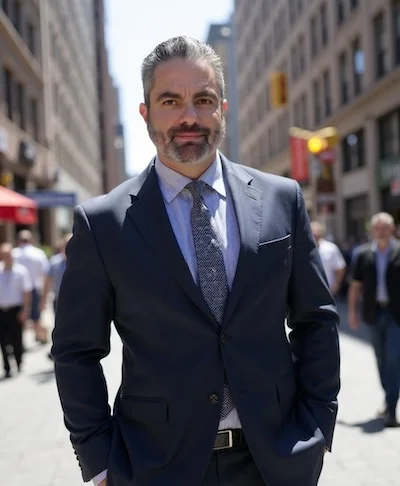
Matthew Mandelker is the Founder, CEO, and Managing Attorney of Cap City Injury Attorneys, bringing over 15 years of personal injury law experience in Texas to every case he handles. A graduate of St. Mary’s University School of Law, Matthew has served as a partner, sole practitioner, and associate at some of the largest personal injury firms in Texas, giving him a unique perspective on what great legal representation looks like. He founded Cap City Injury Attorneys to combine the sophistication of a major firm with the personalized service of a boutique practice, ensuring every client receives direct attorney access, honest communication, and relentless advocacy. When he is not fighting for his clients, Matthew can be found on Lake Travis or spending time with his 10-year-old twins, and that same dedication to family is the foundation of everything he does at the firm.